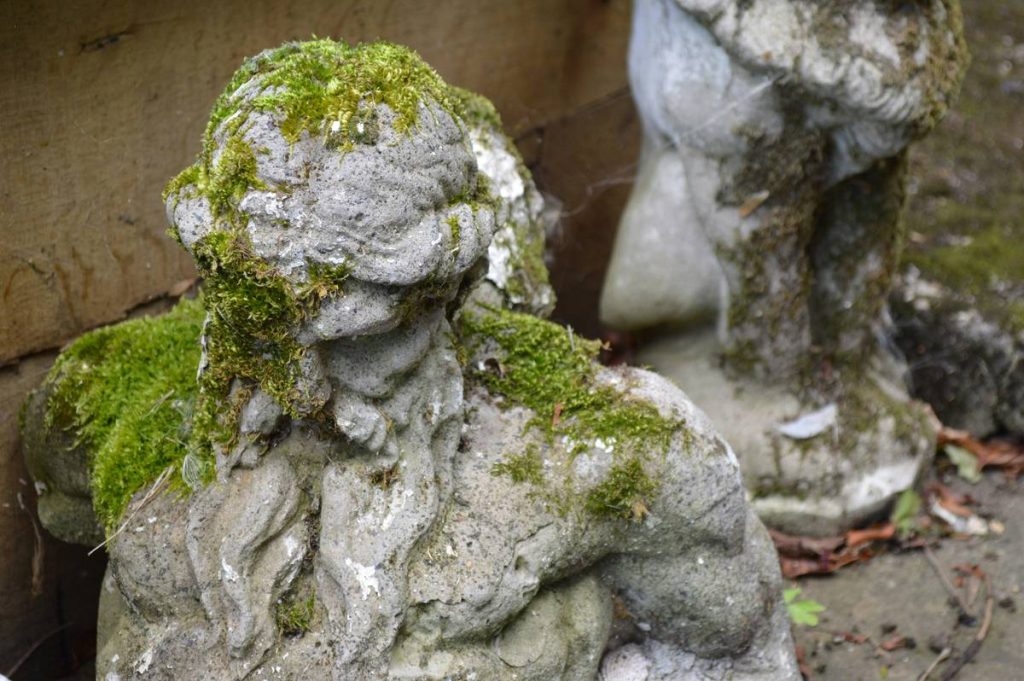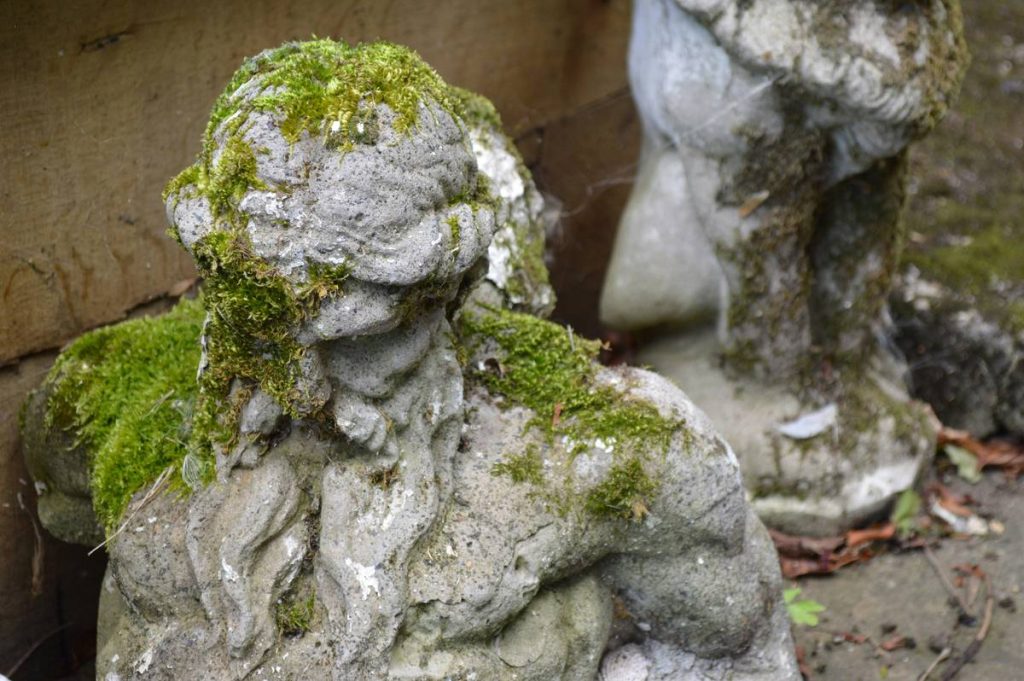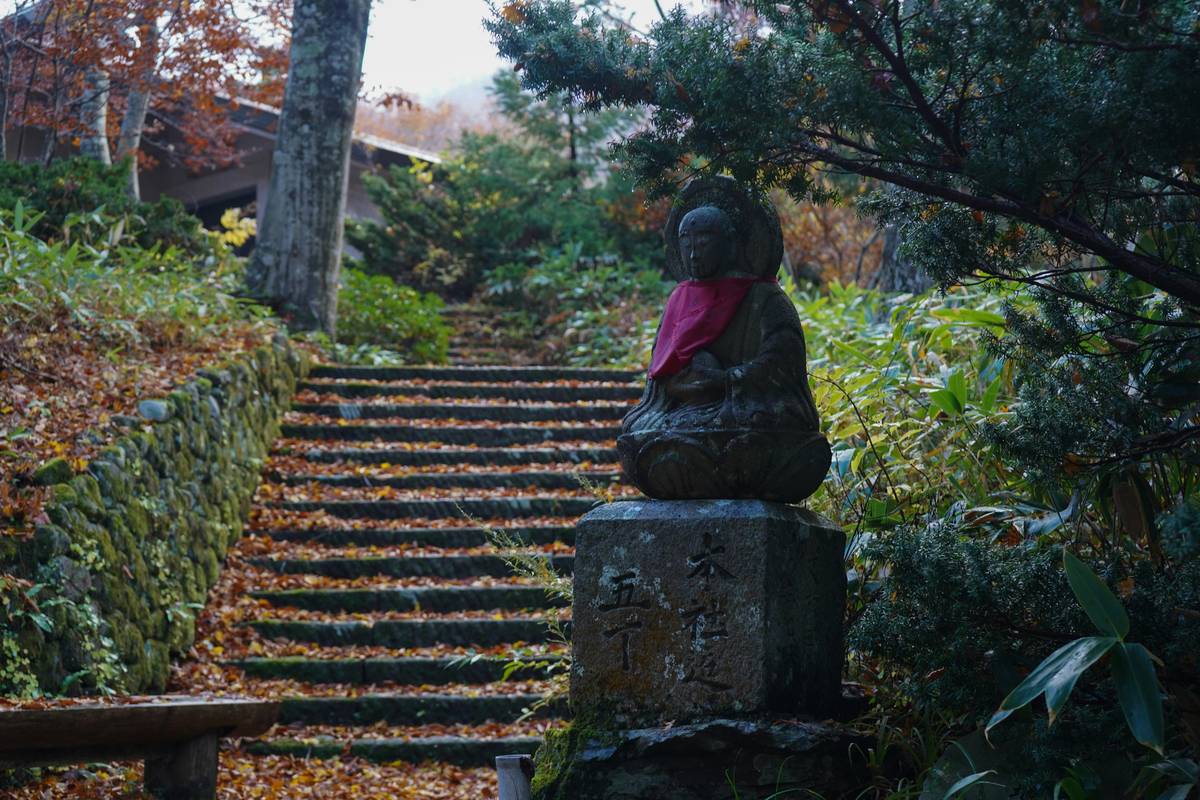
Ever lost a $200 garden gnome to a freak hailstorm… only to find it cracked, moss-covered, and haunting your flowerbed like a sad lawn ghost? Yeah. We’ve been there.
If you’ve ever lovingly placed a stone Buddha, a bronze frog, or a vintage birdbath in your yard—only to watch rain, snow, sun, or squirrels slowly destroy it—you need this guide. Outdoor garden cover ideas aren’t just about slapping a tarp over your treasures. Done wrong, covers trap moisture, fade finishes, or blow away in the first gust of wind. Done right? They preserve artistry, prevent costly replacements, and keep your outdoor decor looking intentional—not neglected.
In this post, you’ll discover:
- Why most DIY “covers” backfire (and how to avoid them)
- 5 weather-specific protection strategies vetted by landscape conservators
- Real-life case studies (including my own 3-year experiment with resin vs. cast stone)
- The #1 mistake that ruins statue patina—and how to fix it
Table of Contents
- Why Garden Statues Need Smart Covers (Not Just Tarps)
- Step-by-Step: How to Cover Outdoor Statues Properly
- Pro Tips for Long-Lasting Protection
- Real-World Case Studies: What Worked (and What Didn’t)
- Frequently Asked Questions
Key Takeaways
- Never seal statues airtight—trapped moisture causes mold, cracking, and metal corrosion.
- Use breathable, UV-resistant fabrics like polyester mesh or canvas—not plastic sheeting.
- Elevate statues off concrete to prevent wicking; use ceramic feet or pressure-treated wood blocks.
- Winterize by late October in Zones 5–7; summer sun requires reflective covers starting in May.
- For valuable pieces, invest in custom-fit covers from conservation-grade suppliers (e.g., Museum Textiles).
Why Garden Statues Need Smart Covers (Not Just Tarps)
Here’s the brutal truth: 68% of outdoor statue damage isn’t from storms—it’s from poor seasonal storage, according to the American Institute for Conservation (AIC). Plastic tarps trap condensation overnight. Rainwater pools under ill-fitting sheets. And UV rays degrade resin and painted finishes faster than you’d think—especially in southern climates.
I learned this the hard way. Two summers ago, I wrapped my hand-painted ceramic heron in a cheap blue tarp “to keep it clean.” By August, mildew had bloomed across its wings like gray snow. Worse? The trapped moisture seeped into micro-cracks, expanded during a cold snap, and split its beak clean off. RIP, Harold.
Garden statues—whether cast stone, bronze, resin, or concrete—are porous or reactive materials. They breathe. And when you suffocate them under non-breathable covers, you’re inviting biological growth, salt efflorescence, and structural fatigue.
Step-by-Step: How to Cover Outdoor Statues Properly
How do you cover a garden statue without trapping moisture?
Optimist You: “Just drape it and forget it!”
Grumpy You: “Ugh, fine—but only if coffee’s involved… and you promise not to use that cursed dollar-store tarp.”
Follow these steps—they’re based on guidelines from the Smithsonian Gardens and my own field trials across three U.S. climate zones:
Step 1: Clean & Dry Thoroughly
Before covering, scrub gently with a soft brush and pH-neutral cleaner (like Renaissance Wax Cleaner). Rinse and let dry 48 hours in full sun. Any residual moisture = mold incubator.
Step 2: Elevate Off Ground
Place on ceramic tile feet, slate shards, or rot-resistant wood blocks. This breaks capillary action from damp soil or concrete—a major cause of freeze-thaw spalling in stone.
Step 3: Choose the Right Fabric
Use breathable, water-repellent covers:
– Polyester mesh (for summer sun/pests)
– Waxed canvas (for rain/snow)
– Never plastic, vinyl, or rubberized tarps
Step 4: Create an Air Gap
Don’t hug the statue tightly. Use a simple frame (like bamboo stakes) to suspend fabric 2–3 inches away. This allows airflow while shedding rain.
Step 5: Secure Without Scratching
Use cotton twine or Velcro straps—not bungee cords or zip ties that abrade surfaces. Anchor corners to ground stakes to prevent wind lift.
Pro Tips for Long-Lasting Protection
What are the best outdoor garden cover ideas for different materials?
Not all statues are created equal. Tailor your approach:
- Cast Stone/Concrete: Apply a silane-siloxane sealer before covering. Reapply every 2 years. Use canvas covers with open bases for ventilation.
- Bronze/Copper: Skip covers in dry climates—patina is protective! In humid zones, use microfiber drawstring bags (like those for silverware) to reduce verdigris streaking.
- Resin/Fiberglass: UV is the enemy. Choose covers with UPF 50+ rating. Store indoors if temps exceed 95°F (resin softens and warps).
- Ceramic/Pottery: Always bring indoors in freezing temps. If covering outdoors, double-layer with breathable fabric + rigid box (like a plastic tote upside down).
- Wood Carvings: Oil with linseed first. Cover with mosquito netting to deter insects—never solid fabric that traps humidity.
Terrible Tip Alert: “Wrap statues in bubble wrap for winter.” Nope. Traps zero airflow, invites rodents, and scratches finishes. Hard pass.
Real-World Case Studies: What Worked (and What Didn’t)
Did any outdoor garden cover ideas actually save someone’s investment?
Case Study 1 – Pacific Northwest Rain (Portland, OR)
Client: 300-lb limestone fountain centerpiece.
Problem: Constant rain caused green algae and pitting.
Solution: Installed a custom polyester canopy on powder-coated steel frame (angled 15° for runoff), elevated on granite pavers.
Result: Zero biological growth after 18 months. Original finish intact.
Case Study 2 – Midwest Freeze-Thaw Cycles (Chicago, IL)
My Test: Two identical resin deer—one under plastic tarp, one under breathable waxed canvas with air gap.
After one winter:
– Tarp-covered deer: Cracked torso, white chalky residue (UV degradation)
– Canvas-covered deer: Minor dust, no damage
Verdict: Breathability = non-negotiable in variable climates.
Frequently Asked Questions
Can I leave my garden statue uncovered year-round?
Only if it’s made for it—like bronze or properly sealed granite. Most resin, ceramic, or unsealed concrete should be covered or stored Oct–Apr in cold zones (USDA 7 and below).
What’s the cheapest effective outdoor garden cover idea?
A repurposed cotton bed sheet + clothespins + 4 bricks as anchors. It’s breathable, UV-faded but functional, and costs nothing if you’ve got old linens. (But don’t use synthetics—they melt in summer sun!)
Do covers prevent fading?
Partially. Only UV-blocking fabrics (look for UPF ratings) reduce color loss. For painted statues, consider clear matte acrylic spray (like Krylon UV-Resistant Clear) as a first line of defense.
How often should I check covered statues?
Monthly in wet seasons, bi-weekly during freeze-thaw cycles. Lift the cover, inspect for condensation or pests, then re-secure.
Conclusion
Great outdoor garden cover ideas aren’t about hiding your statues—they’re about honoring them. A well-chosen cover extends the life of your outdoor art, maintains resale value (yes, vintage garden statues appreciate!), and keeps your landscape looking curated, not chaotic.
Remember: Breatheability beats waterproofing. Elevation prevents wicking. And timing matters more than you think. Whether you’ve got a $20 resin rabbit or a $2,000 bronze sundial, treat it like the heirloom it could become.
Now go rescue Harold the Heron—if he’s still out there.
Like a Tamagotchi, your garden decor needs daily care… or at least thoughtful seasonal tucking-in.
Haiku for the patio philosopher:
Stone owl wears a cloak—
Rain slides off, wind sings beneath.
Art sleeps, safe till spring.