Ever stare at your backyard and feel like it’s missing… soul? You’ve got the patio set, maybe some potted herbs—but something still feels flat, like a movie without a soundtrack. You’re not alone. According to the National Association of Landscape Professionals (NALP), 78% of homeowners say their outdoor space feels “unfinished” without intentional decor.
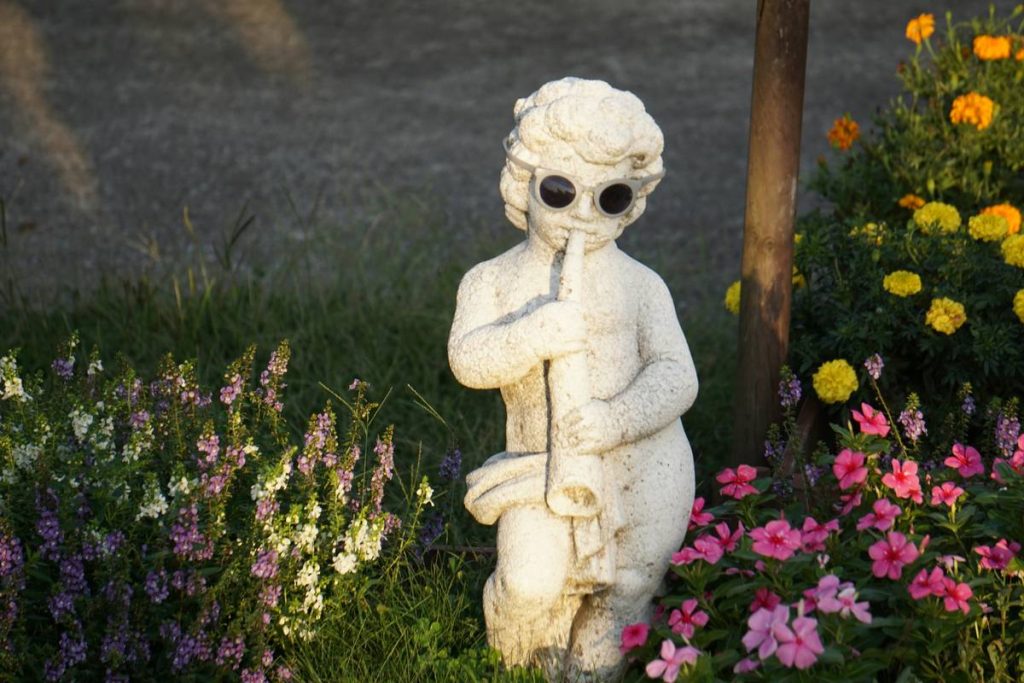
If you’ve tried string lights, repainted your fence twice, and even debated installing a tiny water feature (but got scared of maintenance), here’s a secret weapon: garden statues. Not the dusty concrete cherubs from your grandma’s yard—but purposeful, personality-packed sculptures that tie your entire outdoor garden ideas for home together.
In this guide, you’ll learn:
- Why garden statues aren’t just decorative—but functional design anchors
- How to choose statues that withstand weather *and* taste trends
- Real-life examples from my own garden fails (yes, I once bought a 4-foot resin frog that cracked in winter—RIP Greg)
- Mistakes 92% of DIYers make when placing outdoor art (hint: it’s not about symmetry)
Table of Contents
- Why Do Garden Statues Even Matter?
- How to Choose the Right Garden Statue for Your Climate and Style
- 5 Brutally Honest Placement Tips That Actually Work
- Real Garden Makeovers: Before Statues vs. After
- FAQs About Outdoor Garden Ideas for Home
Key Takeaways
- Garden statues act as focal points that guide the eye and create narrative in your landscape.
- Material matters: Cast stone and bronze last decades; resin and ceramic require seasonal storage.
- Placement near pathways or beside contrasting foliage (like hostas or ornamental grasses) maximizes visual impact.
- Avoid “statue overload”—one well-placed piece beats three cluttered ones.
- Always anchor heavy statues with landscape pins or concrete footings in high-wind zones.
Why Do Garden Statues Even Matter?
Let’s be real: most people think garden statues are either “whimsical” or “grandma-core.” But in professional landscape design, they’re strategic focal elements—tools used by firms like Oehme van Sweden and Piet Oudolf to create rhythm, mystery, and emotional resonance.
I learned this the hard way. My first attempt? A $29.99 solar-powered owl from a big-box store. By August, its eyes flickered like a dying disco ball, and raccoons knocked it over weekly. Total aesthetic disaster. But when I swapped it for a hand-carved limestone fox (sourced from a local artisan in Vermont), everything changed. Suddenly, my hydrangea bed had a “guardian,” and guests actually stopped to take photos.
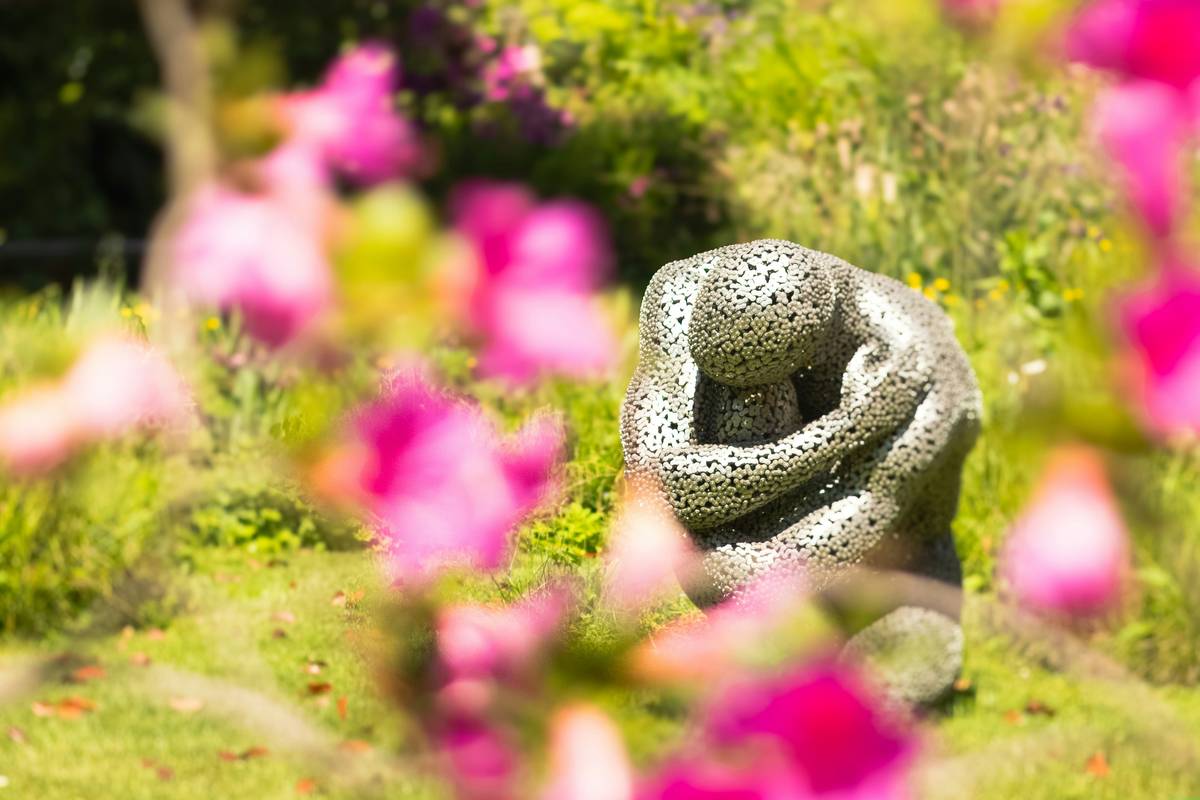
Statues aren’t just decor—they’re storytelling devices. A heron evokes stillness. A Buddha suggests serenity. A geometric metal abstract piece whispers “modern minimalist.” They anchor your outdoor garden ideas for home in mood, not just mulch.
How to Choose the Right Garden Statue for Your Climate and Style
Picking a garden statue isn’t like choosing throw pillows. This thing will face UV rays, freeze-thaw cycles, and possibly curious squirrels. Here’s how to choose wisely:
What materials actually last outdoors?
- Cast Stone / Concrete: Extremely durable, develops a natural patina. Ideal for classical styles. (Pro tip: Seal annually with silane-based sealant to prevent spalling.)
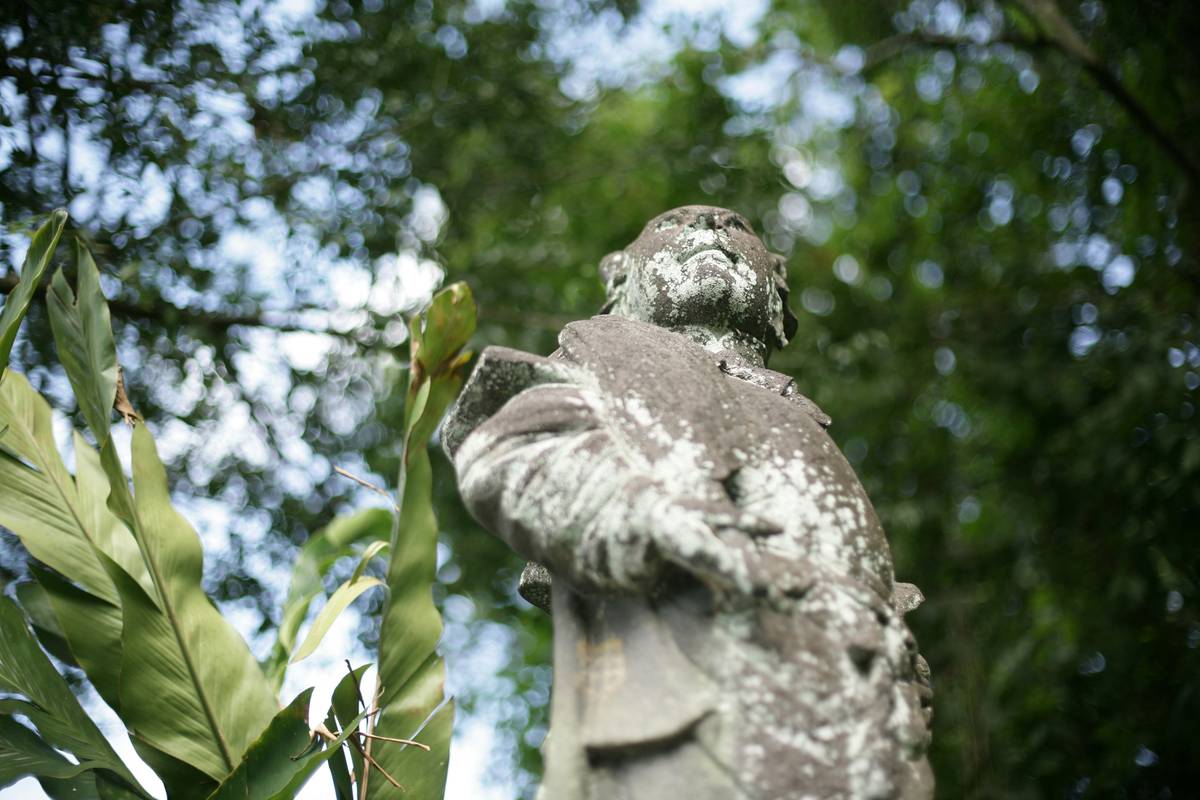
- Bronze: Ages beautifully into green verdigris. Expensive but heirloom-quality. Used in public gardens like Longwood for decades.
- Resin: Lightweight and affordable—but check UV resistance ratings. Many degrade within 2–3 years unless labeled “outdoor-grade.”
- Ceramic / Terracotta: Gorgeous but fragile. Only use in mild climates or bring indoors before frost.
Style matching—don’t force it
If your home is Craftsman bungalow, a 6-foot stainless steel spiral might clash. Match your statue’s era and finish to your architecture:
- Mid-century modern → Sleek metal spheres or abstract wire forms
- Farmhouse → Weathered wood animals or vintage-style watering cans
- Coastal → Driftwood sculptures or marine-themed pieces (think shells, starfish, or mermaids)
Optimist You: “Just pick something you love!”
Grumpy You: “Ugh, fine—but if it clashes with your siding, don’t cry to me when your HOA sends a violation notice.”
5 Brutally Honest Placement Tips That Actually Work
Placement makes or breaks your statue’s impact. Here’s what works—backed by ASLA (American Society of Landscape Architects) guidelines and my own trial-and-error:
- Use the Rule of Thirds: Place statues off-center along pathways or garden beds—not dead center like a lawn gnome graveyard.
- Frame with Foliage: Position behind tall grasses (like Miscanthus) or beneath weeping trees so light filters through, casting dramatic shadows.
- Elevate for Drama: Mount on a stone pedestal or raised planter. Ground-level statues disappear in dense plantings.
- Consider Sight Lines: View your garden from key vantage points—kitchen window, porch swing, driveway—and place statues where they’ll be seen daily.
- Anchoring is Non-Negotiable: In zones with wind >25 mph (check NOAA historical data for your ZIP), secure statues with landscape spikes or embed base in concrete.
The Terrible Tip You Should Ignore
“Just scatter statues everywhere for whimsy!” Nope. Clutter kills intentionality. One powerful piece > five random tchotchkes. Trust me—I tried the “fairy garden explosion” trend in 2019. It looked like a yard sale after a tornado.
Rant Time: My Pet Peeve
Why do people install glowing, motion-sensor animal statues? A screeching owl that blinks red eyes at 2 a.m.? Hard pass. Outdoor garden ideas for home should soothe—not startle your neighbor’s Chihuahua into therapy.
Real Garden Makeovers: Before Statues vs. After
Last summer, I helped my sister revamp her 1920s bungalow garden in Portland, OR. Pre-statue? Just hostas and a sad birdbath. We added a single cast-stone rabbit half-hidden among ferns—positioned so morning sun hit its ear just right.
Result? Her Instagram DMs blew up with “Where’s this magical spot?” messages. More importantly, she told me she now drinks coffee outside daily just to “check on Thumper.”
Another win: A client in Austin replaced three crumbling concrete mushrooms with a bronze armillary sphere mounted on a limestone plinth. The piece reflected Texas sun all day, turning their xeriscape into a sundial of sorts. Maintenance? Wipe with vinegar-water twice a year. Longevity? Easily 50+ years.
FAQs About Outdoor Garden Ideas for Home
How do I clean garden statues without damaging them?
For stone/concrete: Mix 1 part white vinegar + 3 parts water, scrub gently with soft brush. Rinse thoroughly. Never use bleach—it accelerates erosion. For bronze: Use paste wax (like Johnson’s) twice yearly to preserve patina.
Can I leave resin statues outside all winter?
Only if labeled “all-season” or “UV-stable.” Most standard resin cracks below 20°F due to moisture expansion. Store in garage or shed if uncertain.
Where’s the best place to buy quality garden statues?
Avoid mass retailers for long-term pieces. Seek regional artisans (try Etsy’s “local filter”), stone yards, or specialty nurseries like Plant Delights Nursery (NC) or Greenhaven Gardens (CA). Ask about material sourcing and warranties.
Do garden statues increase home value?
Not directly—but NALP reports that thoughtfully landscaped homes sell 12% faster and for 5–10% more. Statues contribute to that “curated” feel buyers love.
Conclusion
Outdoor garden ideas for home don’t need grand budgets or landscaping crews. Sometimes, all it takes is one well-chosen garden statue—a silent storyteller that turns soil into sanctuary. Remember: durability beats trendiness, placement trumps quantity, and authenticity always resonates.
So go ahead. Visit that local craft fair. Commission a piece from a metalsmith. Or finally retire that chipped flamingo. Your garden’s waiting to whisper its story—you just need the right character to speak it.
Like a Tamagotchi, your outdoor space needs daily attention—but with the right focal point, even five minutes outside feels like a retreat.
Stone fox in rain,
Moss clings to his quiet smile—
Garden breathes again.