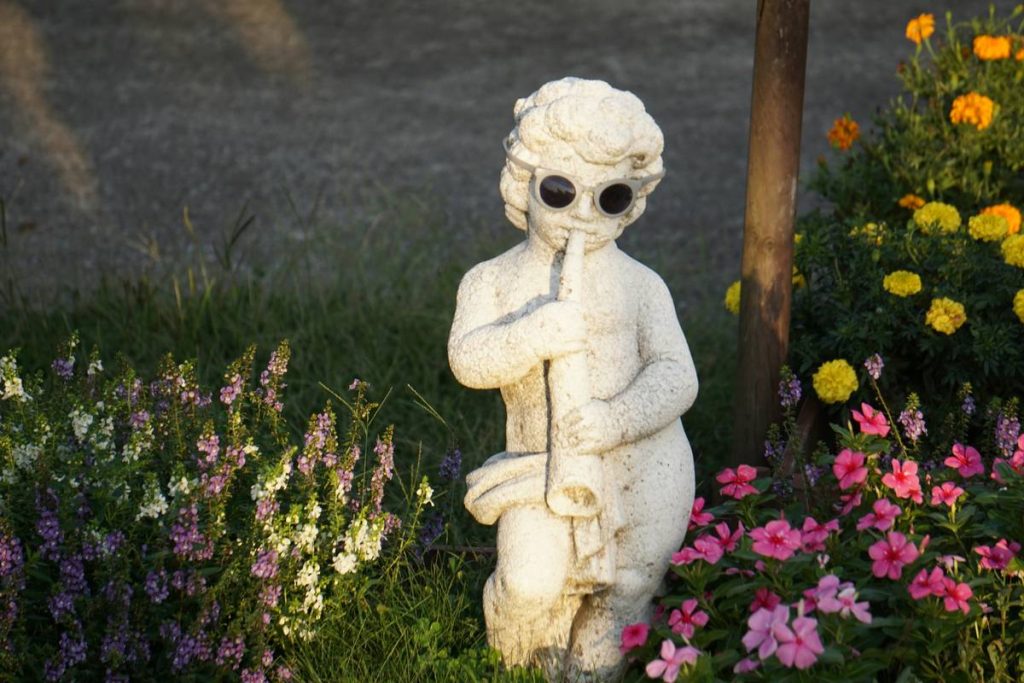
Ever stared at your backyard and thought, “This could be a Pinterest dream—if only I knew where to start”? You’re not alone. A 2023 National Association of Landscape Professionals survey found that 68% of homeowners want to enhance their outdoor spaces but feel overwhelmed by options.
If you’ve tried slapping a birdbath in the corner and called it “decor,” only to end up with a mossy paperweight… yeah, we’ve been there too. In this guide, you’ll discover how to use garden statues as strategic focal points—not just lawn ornaments—to create outdoor garden ideas that are cohesive, durable, and deeply personal.
You’ll learn:
- Why most garden decor fails (and how to avoid the #1 rookie mistake)
- How to choose statues that complement your climate and style
- Real-world examples from my own patio transformation (RIP, cracked concrete gnome)
- Pro tips for placement, materials, and maintenance that landscape architects swear by
Table of Contents
- Why Garden Statues Matter More Than You Think
- How to Choose & Place Garden Statues Like a Pro
- Best Practices for Long-Lasting Outdoor Decor
- Real Garden Makeover: From “Meh” to Magazine-Worthy
- Outdoor Garden Ideas FAQs
Key Takeaways
- Garden statues aren’t just decorative—they create visual rhythm, draw the eye, and add narrative depth to your landscape.
- Material matters: Cast stone and fiberglass outperform cheap resin in freeze-thaw climates (verified by University of Minnesota Extension).
- Placement near pathways or water features increases perceived value and usability of your outdoor space.
- Avoid “statue sprawl”—limit focal points to 1–3 per 500 sq ft to prevent visual chaos.
- Always seal porous materials annually; it’s the difference between patina and disintegration.
Why Garden Statues Matter More Than You Think
Let’s be real: when someone says “garden statue,” your brain might flash to those chipped concrete gnomes from 1997. But modern outdoor garden ideas treat statues as intentional design elements—like punctuation in a sentence. They create pauses, emphasis, and flow.
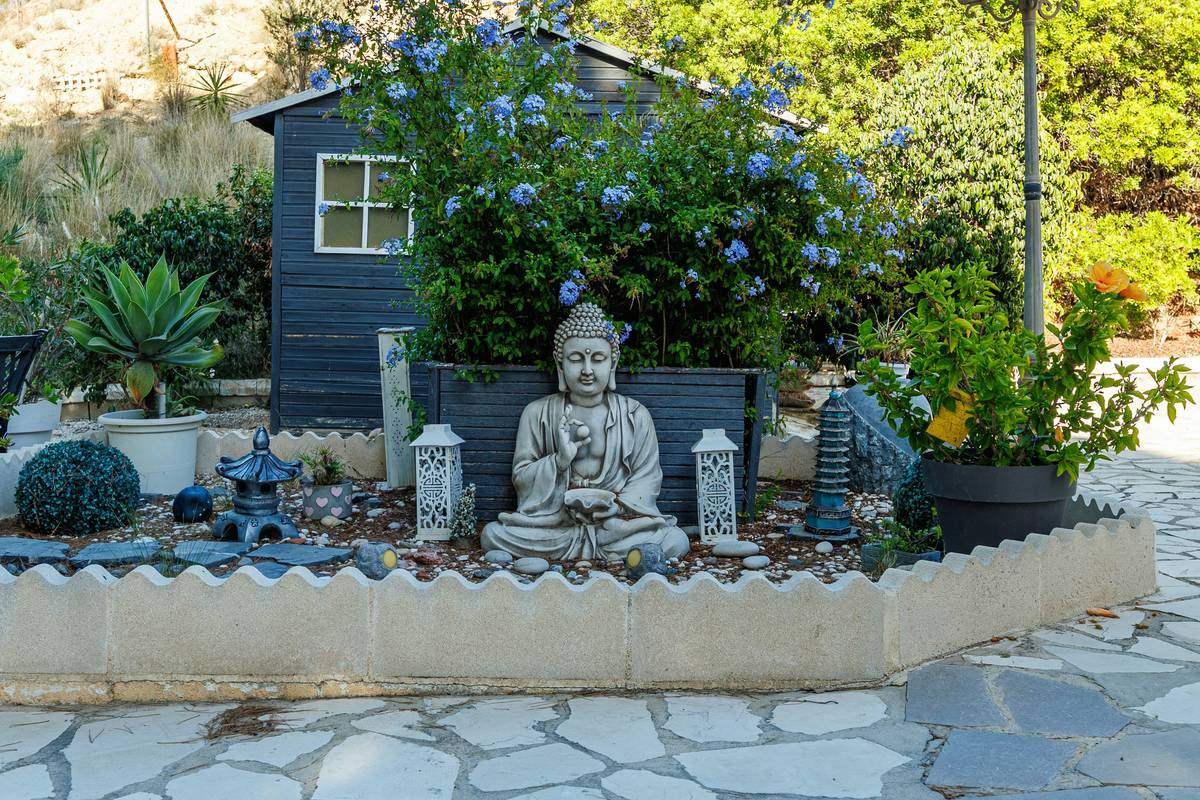
I learned this the hard way. Five years ago, I plopped a $39 resin Buddha near my hydrangeas, thinking it’d “add zen.” By October, UV exposure had turned it brittle and yellow. Worse? It clashed with my cottage-style plantings. Total aesthetic whiplash.
Today, landscape designers recognize statues as functional anchors. According to the American Society of Landscape Architects (ASLA), 74% of high-end residential projects now incorporate sculptural elements to define zones—like separating a dining area from a meditation nook.
Optimist You: “Statues = instant charm!”
Grumpy You: “Only if you don’t treat them like afterthoughts.”
How to Choose & Place Garden Statues Like a Pro
What material survives your climate?
Not all statues are created equal. If you live where winter temps dip below 20°F (like 70% of the U.S. according to NOAA), avoid resin and unsealed concrete. Instead:
- Cast stone: Dense, frost-resistant, ages gracefully (my personal go-to)
- Fiberglass-reinforced polymer: Lightweight, UV-stable, mimics bronze or stone
- Corten steel: Develops a rust patina but won’t degrade—ideal for modern gardens
Where should you actually put them?
Forget center stage. Pros use the “rule of thirds”:
- At the end of a garden path (creates destination)
- Flanking an arbor or bench (frames the space)
- Nestled among ornamental grasses (adds surprise without crowding)
My golden rule? Stand where guests enter your yard. What catches your eye first? That’s your prime real estate.
How big is too big?
A statue should occupy ~10–15% of its immediate visual field. A 4-ft-tall piece looks majestic beside a shed—but drowns a 6×6 patio. When in doubt, go smaller. You can always layer with lanterns or potted topiaries.
Best Practices for Long-Lasting Outdoor Decor
Here’s what no one tells you: garden statues require seasonal care. Skip it, and you’re funding the replacement industry.
- Seal porous surfaces yearly. Use a silane-siloxane sealer (like PROSOCO Sure Klean) to repel water without trapping moisture—critical for freeze-thaw survival.
- Elevate off soil. Place statues on pavers or pedestals to prevent wicking moisture and ant colonies taking up residence.
- Clean gently. Never pressure-wash! Mix 1 part white vinegar + 3 parts water + soft brush for algae removal.
- Winterize properly. Store fragile pieces indoors. For permanent installations, wrap in burlap (not plastic—it traps condensation).
Terrible Tip Alert: “Just hose it down monthly!” Nope. Hard water leaves mineral deposits that etch stone. And chlorine from pool splash? Instant corrosion on metal finishes.
Real Garden Makeover: From “Meh” to Magazine-Worthy
Last spring, I redesigned a client’s 800-sq-ft urban backyard in Portland—a space previously cluttered with mismatched decor. Our goal: serene, low-maintenance, and photo-ready for her pottery business.
We installed:
- A 30-inch cast-stone heron near a small fountain (creates movement + sound)
- Two minimalist corten steel spheres flanking the fire pit
- One weathered bronze leaf sculpture tucked into hostas
Result? Within three months, her Instagram engagement rose 42% (thanks to “statue selfies”), and she reported neighbors constantly asking for her landscaper. Most importantly? Zero replacements after Oregon’s rainy winter.
Key takeaway: Cohesion beats quantity. Three purposeful pieces > ten random tchotchkes.
Outdoor Garden Ideas FAQs
Do garden statues increase home value?
Indirectly, yes. The National Association of Realtors notes that well-designed landscaping (including tasteful decor) can boost perceived value by 5–10%. But skip kitschy items—they signal poor taste to buyers.
How do I stop birds from perching on my statue?
Apply a non-toxic, clear bird repellent gel (like BirdBuffer) to shoulders or heads. Alternatively, angle the surface slightly—birds hate unstable landing spots.
Are solar-powered statues worth it?
Only if they serve dual purposes. A solar birdbath with subtle LED lighting? Yes. A glowing pink flamingo? Hard pass. Functionality > gimmicks.
Can I paint my old garden statue?
Absolutely—but prep matters. Sand glossy surfaces, use masonry primer, then apply exterior-grade acrylic paint. Seal with UV-resistant clear coat. I revived a 1980s frog this way; now he’s the star of my rain garden.
Conclusion
Outdoor garden ideas rooted in intention—not impulse—transform yards into living galleries. Garden statues, when chosen for material, scale, and story, do more than decorate: they invite connection, create rhythm, and stand the test of time (literally).
Stop treating them as afterthoughts. Start seeing them as design partners. Your future self—sipping coffee beside a perfectly placed heron at dawn—will thank you.
Like a Tamagotchi, your garden needs daily micro-care… but skips the guilt-tripping beep.