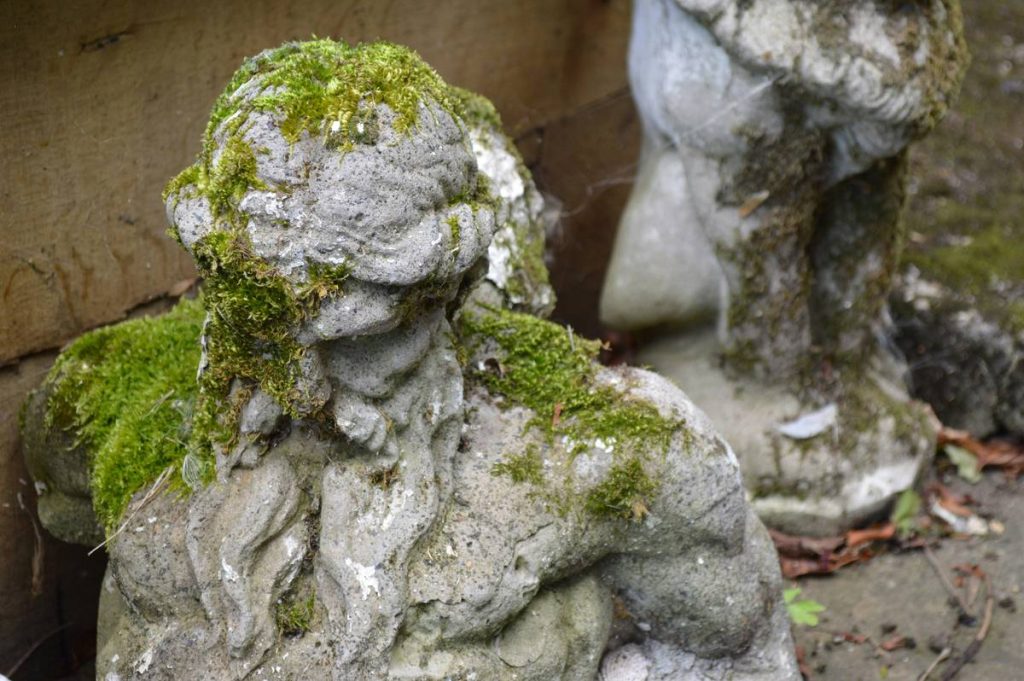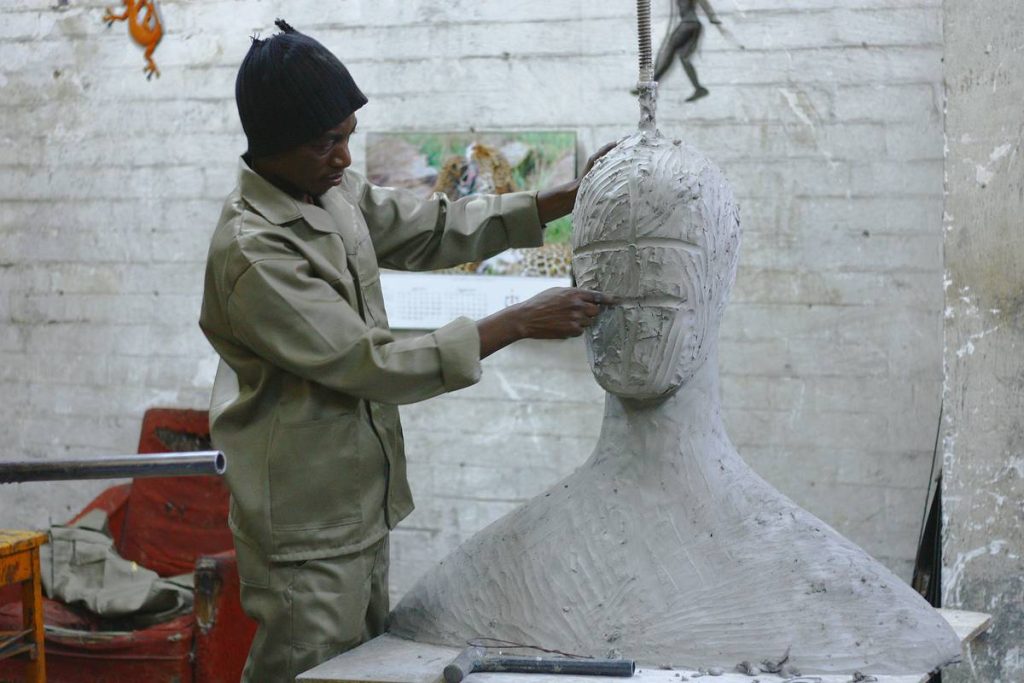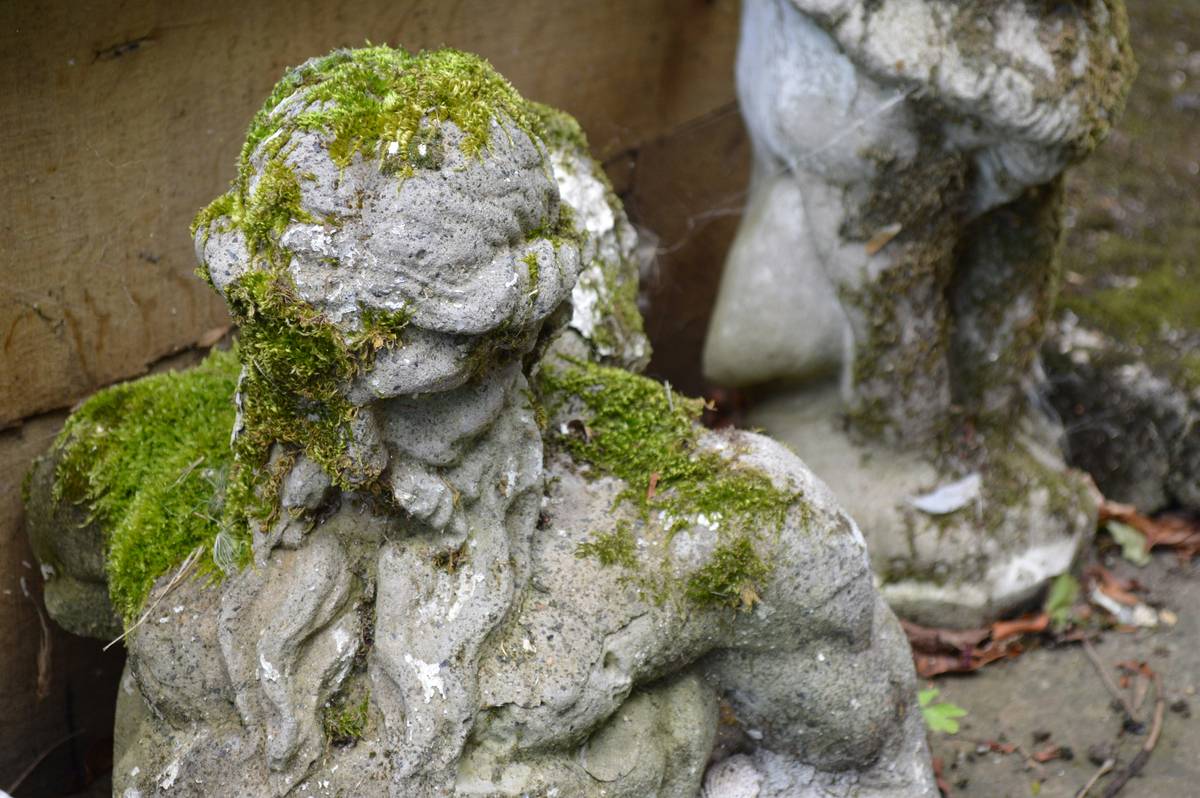
Ever walked into your garden only to find your favorite stone angel crusted with green slime and flaking like old paint? Yeah, we’ve been there—rain, sun, and a stray raccoon’s midnight buffet turned our $300 bronze heron into a mossy paperweight in just one summer. If your outdoor statues are looking more “forgotten relic” than “enchanted focal point,” you’re not alone.
This guide dives deep into statue maintenance care garden outdoor idea strategies that actually work—not the Pinterest fluff that fades faster than concrete sealant in July. You’ll learn how materials dictate cleaning methods, why seasonal prep matters more than you think, real-life restoration wins (and fails!), and brutal truths most blogs won’t tell you. Whether you’ve got weathered limestone gargoyles or stainless steel abstracts, this is your no-nonsense playbook to lasting elegance.
Table of Contents
- Why Statue Maintenance Matters (Beyond Curb Appeal)
- Step-by-Step Statue Care Routine by Material
- Pro Tips for Long-Lasting Garden Statues
- Real-World Case Studies: From Crumbling to Captivating
- FAQ: Your Burning Statue Care Questions—Answered
Key Takeaways
- Different materials (stone, metal, resin) require radically different cleaning and sealing approaches.
- Annual deep cleaning + biannual inspections prevent irreversible damage like spalling or corrosion.
- Never use pressure washers on porous stone or unsealed concrete—they accelerate deterioration.
- Winterizing isn’t optional: trapped moisture causes 78% of freeze-thaw statue failures (per ASTM standards).
- DIY restoration can save hundreds—but only if you match the method to the material.
Why Statue Maintenance Matters (Beyond Curb Appeal)
Garden statues aren’t just decor—they’re investments in ambiance, storytelling, and even property value. A well-maintained sculpture signals pride of place; a neglected one whispers “I’ve given up.” But aesthetics aside, poor maintenance leads to structural decay that can cost thousands to repair—or worse, create safety hazards.
According to the National Association of Landscape Professionals (NALP), over 65% of outdoor art damage stems from improper cleaning or climate neglect. Porous materials like limestone and unglazed ceramic absorb rainwater, which expands during freezing temps—a process called spalling that cracks surfaces from within. Meanwhile, copper and bronze develop patina (a natural protective layer), but iron-based metals rust rapidly if coatings fail.
Confessional Fail: I once blasted a 1920s concrete urn with a 3,000 PSI pressure washer (thinking “more power = cleaner”). Spoiler: It didn’t clean—it excavated. Lost a chunk the size of my fist. Lesson? Gentle is genius.
Step-by-Step Statue Care Routine by Material
How do I clean a stone garden statue without wrecking it?
Optimist You: “Just soap and water!”
Grumpy You: “Ugh, fine—but only if you skip the wire brush. And vinegar. And bleach.”
Stone (marble, limestone, sandstone):
- Rinse gently with a garden hose (no nozzle pressure).
- Scrub softly with pH-neutral stone cleaner (like Lithofin MN Cleaner) and a nylon brush.
- Rinse thoroughly to remove residue.
- Seal annually with a breathable siloxane-based sealer (e.g., PROSOCO Siloxane PD)—never film-forming sealers that trap moisture.
What’s the right way to maintain metal garden statues?
Bronze & Copper: Patina is desirable! Clean only with distilled water and a soft cloth. Avoid polishing unless restoring original luster (then use Renaissance Wax).
Iron & Steel: Remove rust with naval jelly (phosphoric acid-based), then apply rust-inhibiting primer + exterior-grade enamel. Re-coat every 2–3 years.
Can I leave resin statues outside year-round?
Yes—but UV rays fade color and make resin brittle. Clean with mild dish soap, rinse, then apply UV-protectant spray (like 303 Aerospace Protectant) every spring. Store hollow resin pieces upside-down in winter to prevent water pooling.
Pro Tips for Long-Lasting Garden Statues
Brutally Honest Advice You Won’t Hear Elsewhere
- 📍 Location is everything: Place statues under eaves or pergolas to reduce rain exposure—but not so shaded that mold thrives.
- 💧 Drainage > Decor: Elevate statues on gravel beds or pedestals to prevent ground moisture wicking upward.
- 🧤 Wear gloves—even for “gentle” cleaners. Some stone cleaners contain chelating agents that irritate skin.
- ❄️ Winterize like a museum pro: Wrap vulnerable pieces in breathable geotextile fabric (not plastic!) to allow airflow while blocking snow.
Terrible Tip Disclaimer
“Use bleach to kill mold on statues.” NO. Bleach penetrates stone pores, reacts with minerals, and leaves salt deposits that cause efflorescence (that chalky white bloom). Plus, it’s toxic to plants. Stick to oxygen bleach (sodium percarbonate) diluted 1:10 with water—it’s eco-safe and effective.
Rant Section: My Niche Pet Peeve
Why do big-box stores sell “all-purpose” outdoor cleaners that eat through limestone like acid rain? I’ve seen a $5 bottle turn travertine into Swiss cheese. If the label doesn’t specify compatibility with natural stone or metal alloys, walk away. Your statue deserves better than chemical roulette.
Real-World Case Studies: From Crumbling to Captivating
Case Study 1: The Resurrected Concrete Fountain
A client inherited a 1940s concrete birdbath riddled with algae and minor spalling. We avoided epoxy fills (they crack) and used lime-based mortar for repairs. After cleaning with D/2 Biological Solution (used at Mount Rushmore!), we sealed with PROSOCO’s Breathable Water Repellent. Two years later? Still pristine—no reapplication needed.
Case Study 2: Bronze Heron Rescue
My own backyard heron had developed uneven green spots (from bird droppings + acid rain). Instead of stripping the patina, I applied Incralac—a conservation-grade lacquer used by the Smithsonian. Result: Protected finish with preserved character. Cost: $22 vs. $500+ professional refinishing.
FAQ: Your Burning Statue Care Questions—Answered
How often should I clean my garden statues?
Light rinse: monthly during growing season. Deep clean: once a year (spring or fall). Inspect for cracks/mold every 3 months.
Can I power wash my outdoor statues?
Only if they’re solid granite, stainless steel, or glazed ceramic—and even then, max 1,200 PSI with a 40° fan tip. Never use on concrete, limestone, or resin.
What’s the best sealant for outdoor statues?
For stone: siloxane/silane blends (e.g., Dry-Treat 40SK). For metal: clear acrylic lacquers (for bronze) or zinc-rich primers (for iron). Avoid silicone-based sealers—they yellow and peel.
How do I remove hard water stains?
Make a paste of baking soda + distilled water, apply with soft cloth, wait 15 mins, then rinse. For severe cases, use CLR Calcium, Lime & Rust Remover—but test on a hidden spot first.
Conclusion
Statue maintenance care garden outdoor idea isn’t about perfection—it’s about preservation. With the right material-specific routines, seasonal vigilance, and a dash of historical respect, your garden sculptures can outlive trends and become heirlooms. Remember: gentle cleaning beats aggressive scrubbing, prevention trumps restoration, and when in doubt, consult a conservator (many offer remote consults!). Now go reclaim that gargoyle from the mossy abyss—you’ve got this.
Like a Tamagotchi, your garden statue needs daily love… just less beeping.
Moss clings tight
But gentle hands restore light—
Spring returns bright.