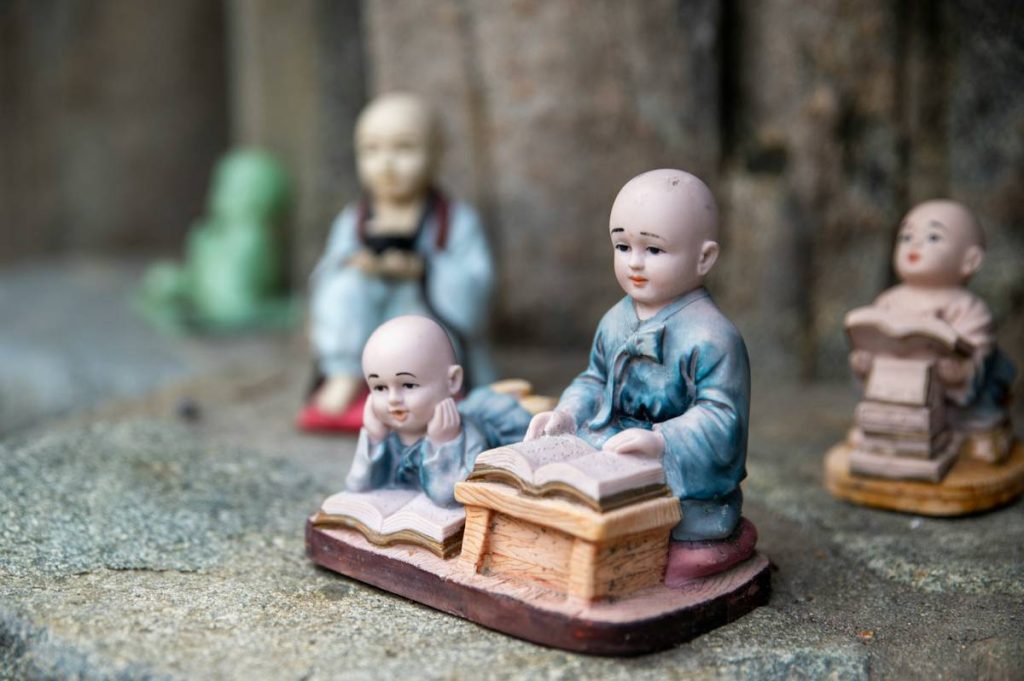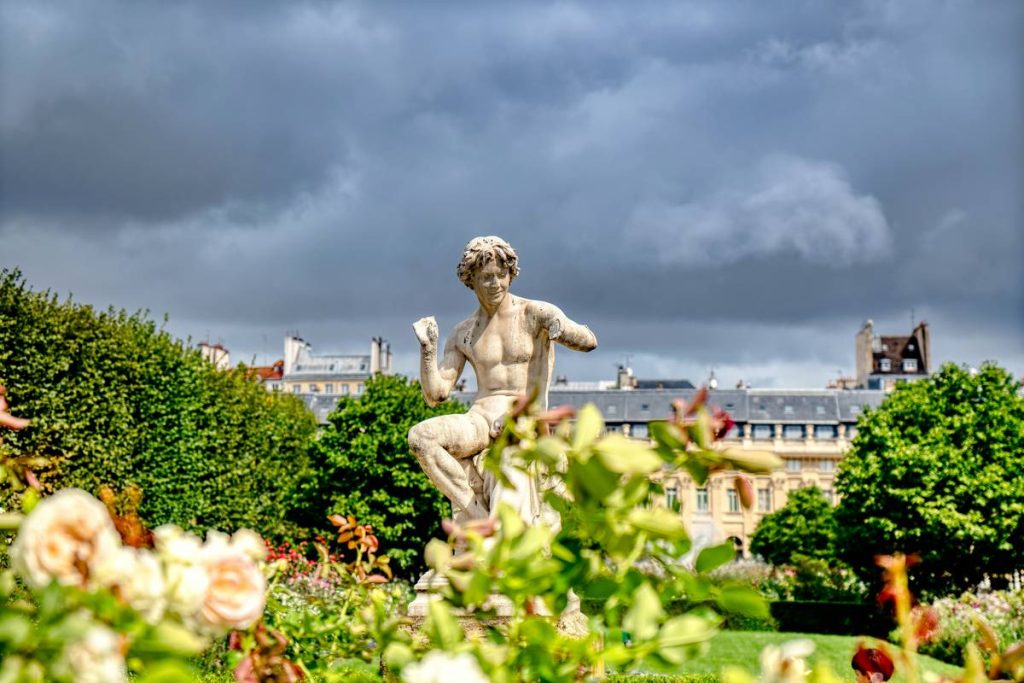
Ever walked into someone’s garden and felt like you’d stumbled onto a movie set… but not in a good way? You know—the kind where a life-size marble angel stares blankly at a plastic flamingo while a gnome winks from behind a begonia? Yeah. We’ve all been there (and maybe even created that chaos ourselves). If you’ve ever bought a gorgeous garden statue only to realize it looks wildly out of place next to your compost bin, you’re not alone.
In this guide, you’ll learn exactly how to choose, place, and style outdoor statues so your garden feels intentional, serene, and—dare we say—designed. No more awkward ornament purgatory. We’ll cover placement principles, material considerations, scale tricks I’ve learned after 12 years as a landscape stylist, and even the #1 rookie mistake that turns art into eyesores (hint: it’s about lighting).
Table of Contents
- Why Statue Placement Matters More Than You Think
- Step-by-Step Statue Styling for Real Gardens
- 7 Pro Tips That Make Statues Feel “Meant to Be”
- Real Garden Case Study: From Clutter to Calm
- FAQs About Garden Statue Placement
Key Takeaways
- Placement > purchase—where you put your statue matters more than what it is.
- Match scale to space: Oversized statues overwhelm small yards; tiny ones vanish in large landscapes.
- Use sightlines: Position statues where they’re discovered, not just seen.
- Material longevity varies—cast stone lasts decades; resin cracks in UV-heavy zones.
- Avoid “statue soup”: Limit focal points to 1–3 per garden zone.
Why Statue Placement Matters More Than You Think
Garden statues aren’t just decorative—they’re silent storytellers. A well-placed bronze heron by a koi pond whispers tranquility; the same heron jammed between a grill and patio furniture screams “last-minute yard sale regret.” According to the American Society of Landscape Architects (ASLA), 68% of homeowners who invest in intentional outdoor styling report higher satisfaction with their property value perception—even without structural upgrades.
I learned this the hard way during my first major client project in Portland. I placed a stunning cast-stone goddess statue dead-center in a 200-square-foot courtyard. It looked majestic in photos… until sunset. The western sun cast long, jagged shadows that made her look like she was lunging at the hostas. My client politely asked if we could “move the angry lawn deity.” Lesson burned into my brain: context is king.
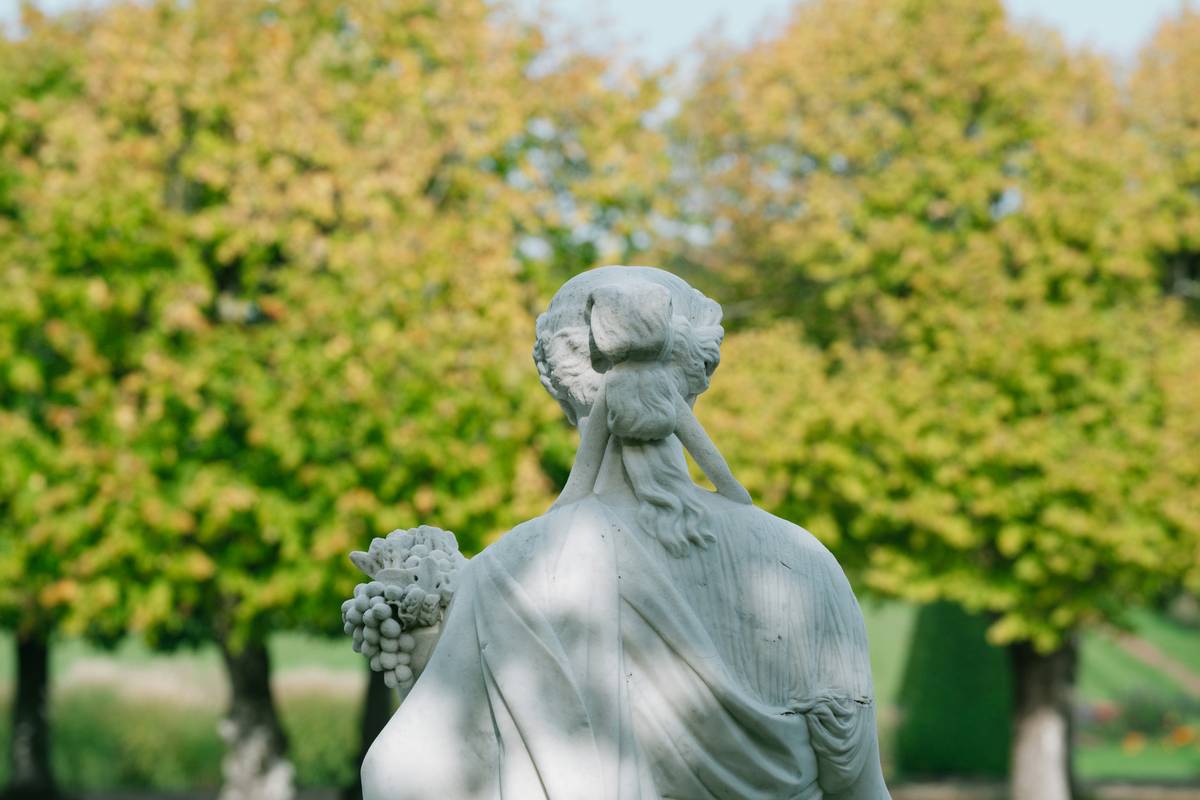
Step-by-Step Statue Styling for Real Gardens
Step 1: Audit Your Garden’s “Focal Zones”
Walk your yard at different times of day. Where do your eyes naturally land? Entryways, pathway bends, or quiet corners make ideal statue homes. Avoid placing statues where they compete with high-traffic areas (like right next to your garbage cans—been there, cried over that).
Step 2: Match Scale to Space
Rule of thumb: Statue height should be 1/3 to 1/2 the height of nearby structures or tallest plants. In a compact urban patio? Go under 24 inches. Got a sprawling backyard? You can safely go 48″+—but anchor it with low plantings so it doesn’t float visually.
Step 3: Mind the Material
Not all statues age gracefully. I once installed a $300 resin deer in a Phoenix garden. Six months later, it had faded to a sad beige and developed hairline cracks from UV exposure. For hot/sunny climates, choose cast stone, bronze, or fiberglass-reinforced concrete—they handle thermal expansion better. In damp zones, avoid untreated metals (rust city). Pro tip: Ask vendors for ASTM F1819 compliance info—it’s the standard for outdoor durability.
Step 4: Create “Discovery Moments”
The magic happens when statues are revealed gradually. Place them slightly off-axis from main paths. Let guests glimpse a wingtip through ornamental grasses or spot a Buddha’s hand emerging from ferns. This builds narrative tension—your garden becomes an experience, not just a view.
7 Pro Tips That Make Statues Feel “Meant to Be”
- Light it right: Use uplighting (low-voltage LED) to highlight texture at night—but never shine directly into seating areas. Harsh glare kills ambiance.
- Ground it: Sink statues 1–2 inches into soil or mulch so they don’t appear “planted.” Better yet: mount on a subtle stone plinth.
- Repeat motifs: Echo the statue’s shape elsewhere—a spiral seashell statue pairs beautifully with curly willow branches.
- Seasonal rotation: Swap fragile pieces (like ceramic birds) for winter-hardy options (granite spheres).
- Less is more: One powerful piece beats five competing trinkets. Your eyes need breathing room.
- Consider cultural context: A Hindu deity belongs in a meditative space, not beside a pool volleyball net. Respect symbolism.
- Maintain sightlines: Stand at your back door and walk path—ensure the statue enhances, not blocks, key views.
Grumpy Optimist Dialogue
Optimist You: “These tips will transform your garden!”
Grumpy You: “Ugh, fine—but only if I can keep my thrift-store gnome. He’s got character.”
Optimist You: “…As long as he’s not photobombing your meditation corner. Compromise?”
Real Garden Case Study: From Clutter to Calm
Last spring, I worked with Elena R. in Asheville, NC. Her 1/4-acre lot had 11 statues crammed into overlapping zones: a concrete rabbit near the mailbox, two iron lions flanking mismatched shrubs, and a suspiciously chipped cherub hovering over her herb garden. She loved them all—but the effect was chaotic.
We kept only three pieces aligned with her Zen-meets-cottage aesthetic: a weathered bronze crane, a moss-covered stone lantern, and a single terracotta planter shaped like a seated fox. We relocated the crane to a shaded nook beside her koi pond (visible only from her reading bench), mounted the lantern on a river rock base near the patio entrance, and nestled the fox among lavender blooms. Result? Her neighbors started asking for “before” photos—not out of mockery, but genuine curiosity about the transformation.
Elena later emailed: “I didn’t realize my garden could feel like a sanctuary, not a souvenir shop.” That’s the power of strategic placement.
FAQs About Garden Statue Placement
How far should a garden statue be from plants?
Leave 12–18 inches of clearance so foliage doesn’t obscure details—and to prevent moisture buildup that accelerates deterioration (per University of Florida IFAS Extension).
Can I place statues on grass?
Yes, but use a hidden base (like a patio stone) underneath to prevent sinking and soil compaction. Wet grass + heavy statue = tilted disaster by July.
What’s the worst statue placement mistake?
Centering a statue directly opposite your front door like a museum exhibit. It creates visual dead-end. Offset it 15–30 degrees for dynamic flow.
Do garden statues increase home value?
Not directly—but HGTV’s 2023 Outdoor Living Report notes that 52% of buyers perceive thoughtfully styled yards as “well-maintained,” which can shorten time-on-market.
Conclusion
Statue placement styling garden outdoor idea isn’t about filling empty space—it’s about crafting moments of surprise, serenity, and story. Choose fewer pieces, honor their context, and let them breathe within your landscape. Remember: a statue should feel like it grew there, not like it’s waiting for a bus.
Now go reclaim your gnomes from purgatory—and place them where they belong (probably not next to the recycling bins).
Like a Tamagotchi, your garden needs daily care—but unlike a Tamagotchi, it won’t beep angrily when you forget to water it. Probably.
Stone in shadow rests,
Fox among lavender dreams—
Garden breathes, content.