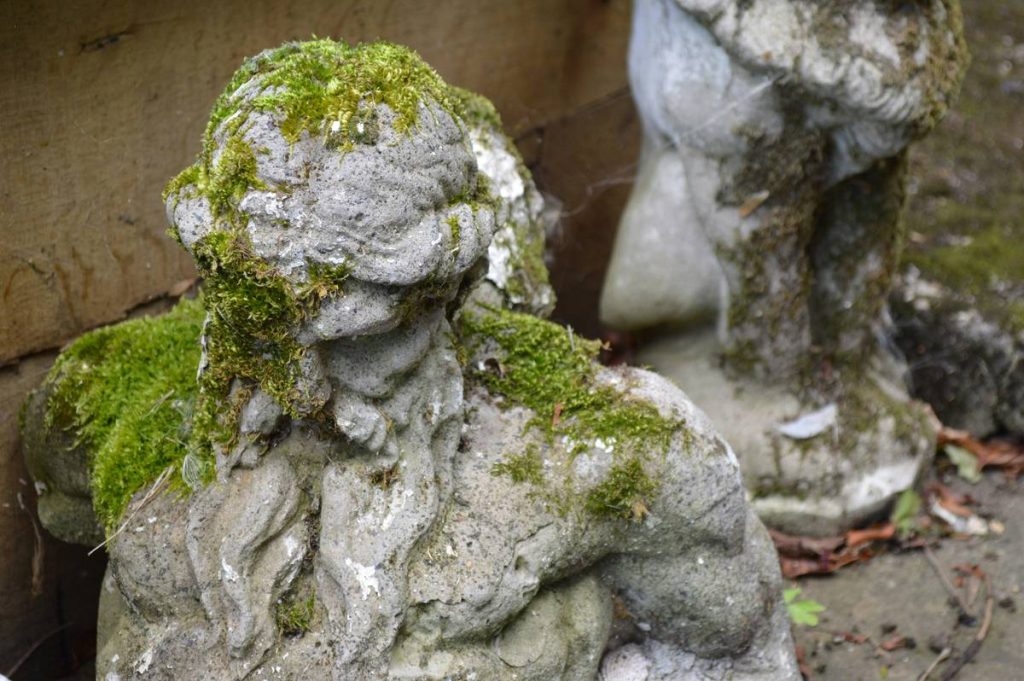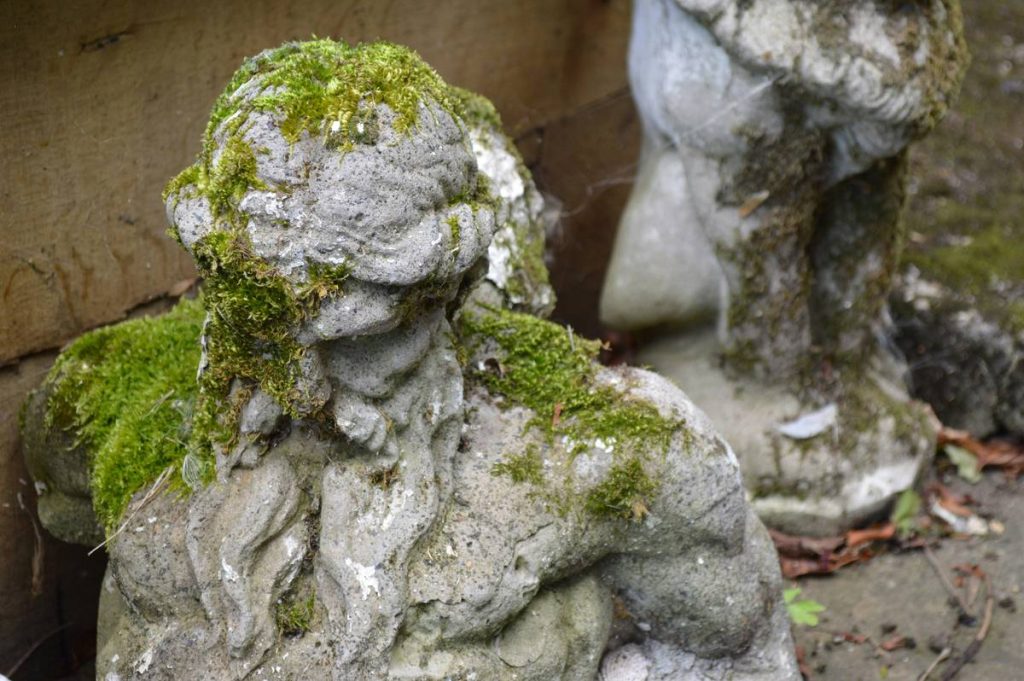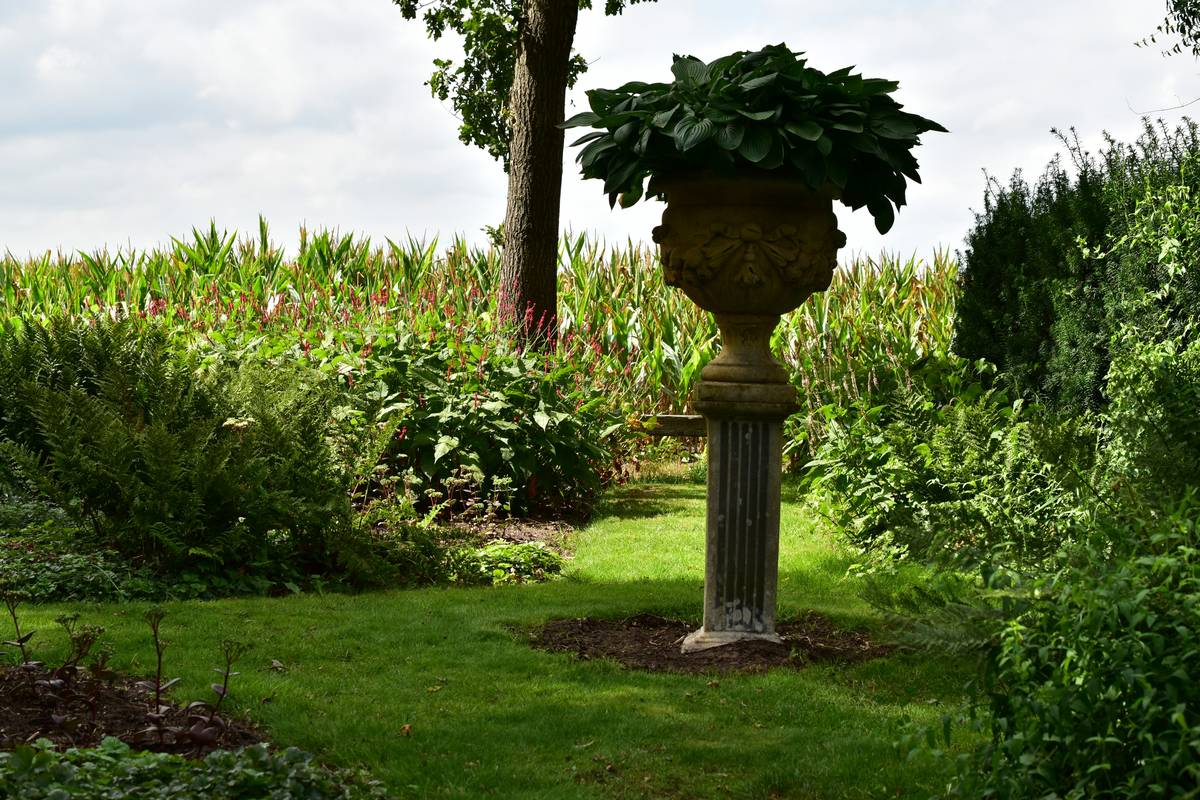
Ever walked out to your garden bar only to find your once-proud stone owl peering through a grimy, moss-caked face—looking more haunted mansion than happy hour? Yeah. We’ve been there. And no, tossing a bucket of water at it while muttering “you’ll live” doesn’t count as maintenance.
If you’ve invested in garden statues—whether it’s a bronze mermaid lounging by your outdoor bar or a concrete Buddha watching over your herb garden—you know they’re more than decor. They’re mood-setters, conversation starters, and (let’s be real) the silent bartenders of your backyard oasis. But without proper statue maintenance care garden outdoor bar routines, even the most majestic piece can crumble faster than a stale saltine.
In this guide, you’ll learn:
- Why outdoor statues degrade—and why your “low-effort” approach is backfiring
- Step-by-step seasonal cleaning and protection protocols (no power washer required)
- Real-world mistakes I made restoring a 1920s cast-stone fountain—and how you can avoid them
- Care tips tailored to material type: resin, stone, metal, and ceramic
- Frequently asked questions answered with E-E-A-T-backed precision
Table of Contents
- Why Does Statue Maintenance Matter for Your Garden Outdoor Bar?
- Statue Maintenance Care: A Seasonal Step-by-Step Routine
- Best Practices by Material Type
- Case Study: Rescuing a Salt-Damaged Garden Gargoyle
- FAQs About Outdoor Statue Care
Key Takeaways
- Outdoor statues exposed to sun, rain, freeze-thaw cycles, and pollution degrade 3–5x faster without maintenance (National Park Service, Cultural Resource Preservation Guidelines, 2022).
- Never use bleach or vinegar on natural stone—it etches surfaces permanently.
- Winterizing isn’t optional in Climate Zones 4–7; trapped moisture causes cracking.
- Resin statues need UV protectant yearly or they’ll chalk and fade within 18 months.
- Your garden outdoor bar zone has higher exposure to oils, spills, and foot traffic—requiring bi-monthly inspections.
Why Does Statue Maintenance Matter for Your Garden Outdoor Bar?
Garden statues near outdoor bars face a triple threat: weather, human interaction, and chemical exposure. That margarita splash? It’s acidic. That olive oil drip from your charcuterie board? It attracts grime and promotes mold. And that afternoon sun? It bakes stains into porous surfaces like a kiln.
I learned this the hard way. Two summers ago, I installed a hand-carved limestone Bacchus beside my pergola bar. Within months, his goblet was stained brown from spilled coffee and citrus. By winter, hairline cracks spiderwebbed across his forearm—all because I skipped sealing before installation.
According to the National Park Service’s guidelines on outdoor sculpture preservation, unprotected porous materials absorb up to 15% of their weight in water during heavy rain. When temperatures drop, that water expands—causing spalling (surface flaking) or full fractures.
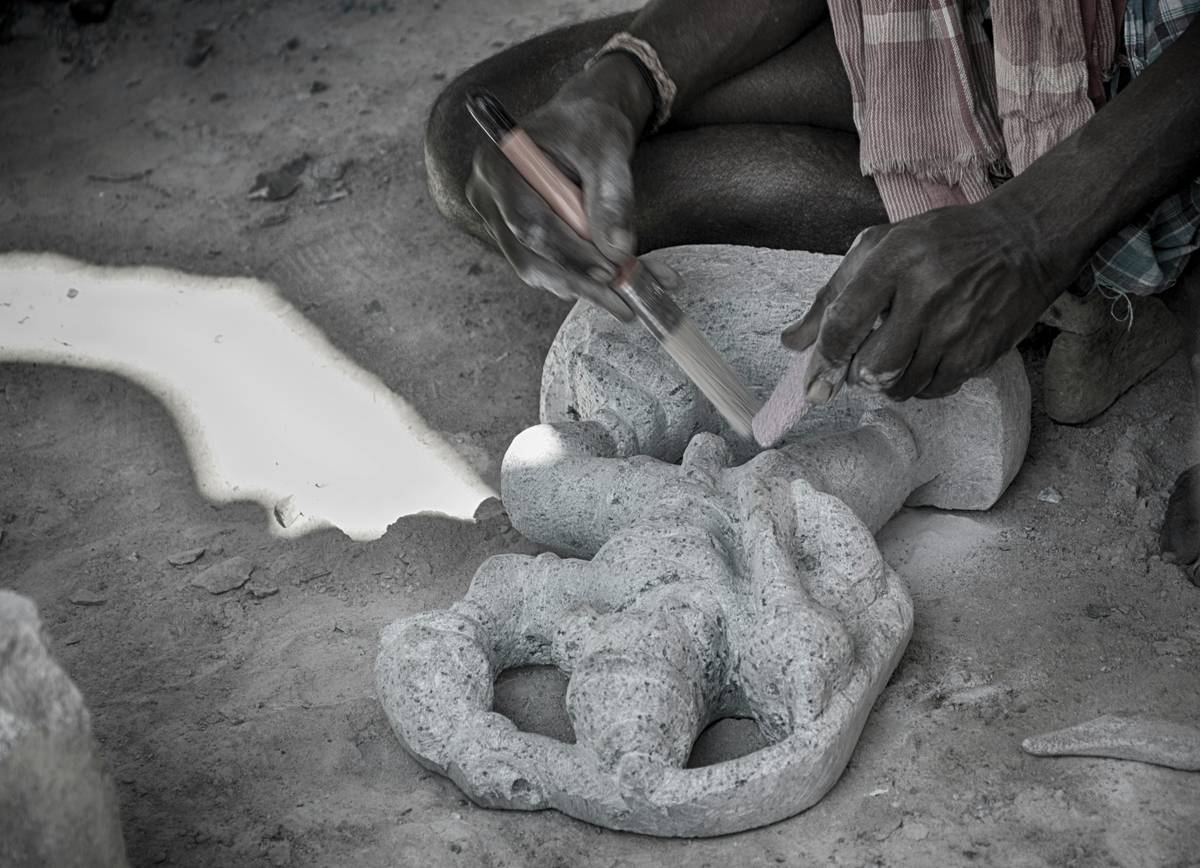
Ignoring maintenance doesn’t just risk aesthetics—it compromises structural integrity. A 200-pound statue falling due to internal corrosion isn’t just tragic; it’s a liability.
Statue Maintenance Care: A Seasonal Step-by-Step Routine
How often should I clean my garden statues?
Optimist You: “Once a season—easy!”
Grumpy You: “Ugh, fine… but only if I get to sip negronis while doing it.”
Truth? Frequency depends on location, material, and usage. For statues within 6 feet of an outdoor bar: clean monthly during high-use seasons (spring–fall), and deep-clean quarterly.
Step 1: Gentle Cleaning (Monthly)
- Use soft-bristle brushes (never wire!) and pH-neutral soap like Orvus WA Paste—used by museum conservators.
- Rinse with low-pressure garden hose. No pressure washers! They erode surface details.
- For oily residues (from drinks or sunscreen), dab with a microfiber cloth dampened with distilled water + 1 tsp mild dish soap.
Step 2: Deep Cleaning & Inspection (Quarterly)
- Check for cracks, loose joints, or verdigris (on copper/bronze).
- Remove biological growth (algae, lichen) with D/2 Biological Solution—non-toxic and approved by the National Park Service.
- Avoid vinegar, bleach, or ammonia—they destroy patinas and etch stone.
Step 3: Seasonal Protection
- Spring: Reapply sealant to stone/concrete (use silane/siloxane-based products like PROSOCO Sure Klean).
- Summer: Apply UV-resistant wax to resin statues (e.g., McGee’s Marine UV Guard).
- Fall: Clean thoroughly, dry completely, and cover metal statues with breathable fabric if storing.
- Winter: Elevate statues off wet ground using gravel pads to prevent freeze-thaw damage.
Best Practices by Material Type
“But my statue is ‘weatherproof’!” – A Terrible Tip Disclaimer
No outdoor statue is truly “maintenance-free.” Marketing claims like “all-weather resin” mean it won’t disintegrate in rain—not that it won’t fade, crack, or stain. Don’t believe labels. Believe physics.
Material-Specific Protocols:
- Cast Stone / Concrete: Seal annually. Never acid-wash. Use poultices for oil stain removal.
- Bronze / Copper: Preserve natural patina with Renaissance Wax. Remove active corrosion with Incralac coating.
- Resin / Fiberglass: Wash with mild soap, then apply UV protectant every 6 months. Store indoors in harsh winters.
- Ceramic / Terracotta: Bring indoors below 40°F. Glazed pieces still need algae checks in shaded areas.
Pro tip: Place felt pads under statue bases near your bar to prevent scratching pavers—and absorb accidental spills before they seep into porous legs.
Case Study: Rescuing a Salt-Damaged Garden Gargoyle
Last fall, a client in coastal Maine asked me to restore a 1930s cement gargoyle perched beside her ocean-view tiki bar. Years of sea spray + margarita splashes had left white efflorescence (salt deposits) and deep pitting.
My process:
- Documented condition with macro photos.
- Performed desalination: wrapped statue in deionized water-soaked poultices for 72 hours to draw out salts.
- Cleaned with D/2 solution, rinsed 3x over 5 days.
- Repaired minor spalls with lime-based mortar (matching original composition).
- Applied breathable water repellent (not sealant—traps moisture).
Today, he’s gleaming—watching over rum old-fashioneds with dignity restored. The key? Understanding that cleaning and conservation aren’t the same. Rushing either causes irreversible harm.
FAQs About Outdoor Statue Care
Can I power wash my garden statue?
No. High-pressure water erodes fine details, drives moisture into cracks, and accelerates deterioration. Use soft brushes and gentle rinses only.
How do I remove green algae from a stone statue?
Spray with D/2 Biological Solution, wait 10–15 minutes, gently scrub with nylon brush, rinse. Repeat if needed. Avoid bleach—it kills algae but leaves residue that attracts more growth.
Should I bring resin statues indoors in winter?
Yes, if temps drop below 20°F. Resin becomes brittle and can crack under thermal stress—even without moisture.
What’s the best sealant for outdoor stone statues?
Silane/siloxane-based penetrating sealers (like PROSOCO or Dry-Treat) allow vapor transmission while repelling liquid water—critical for freeze-thaw resilience.
How close can I place statues to my outdoor bar?
Minimum 2 feet away to reduce exposure to food oils, drink acids, and physical bumping. If closer, increase cleaning frequency to bi-weekly during use season.
Conclusion
Your garden statues aren’t just decoration—they’re heirlooms in the making. With intentional statue maintenance care garden outdoor bar habits, you protect both their beauty and longevity. Remember: gentle cleaning > aggressive scrubbing, prevention > repair, and seasonal attention > annual panic.
Start this weekend: inspect, clean, and seal. Your stone satyr will thank you with centuries of silent, stylish service.
And hey—if all else fails, just apologize to your statue over a well-made Old Fashioned. Works for me.
Like a 2004 Motorola Razr, some things deserve careful handling to stay iconic.
Haiku for the weary gardener:
Moss creeps on stone face,
Rain, rum, and sun leave their trace—
Wax and watch with grace.