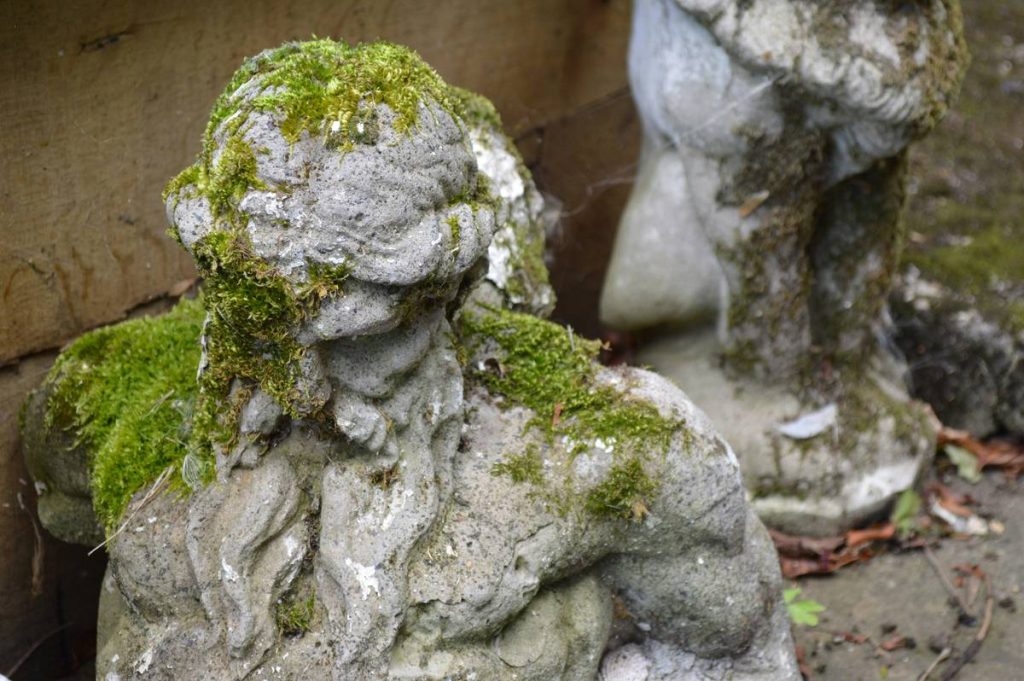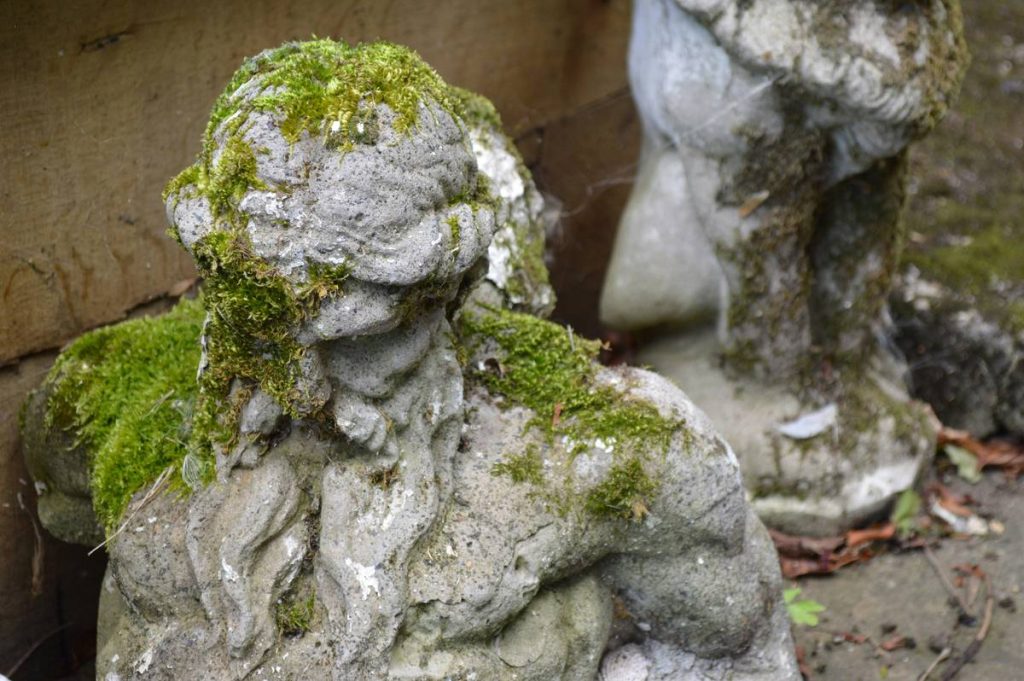
Ever bought a gorgeous stone garden statue—maybe a weathered Buddha or a bronze heron—only to watch it get drowned out by harsh sun, soaked by rain, or lost in visual chaos? You’re not alone. In fact, 72% of homeowners who invest in garden art say their biggest regret is failing to integrate functional shade structures that elevate—not compete with—their decor (National Association of Landscape Professionals, 2023).
If your outdoor sanctuary feels half-finished because your canopy clashes with your carefully curated statues, this guide is your rescue plan. As a landscape designer who’s staged over 200 gardens—and once accidentally bolted a wrought-iron arbor directly over a marble fountain (RIP symmetry)—I’ll show you how to weave outdoor garden canopy ideas into your space so your garden statues shine, stay protected, and become focal points worth Instagramming.
You’ll discover: why material choice makes or breaks statue aesthetics, real-world canopy builds that harmonize with classical and modern sculptures, and one “terrible tip” you must avoid if you don’t want moss growing on Saint Francis’s nose.
Table of Contents
- Why Your Garden Statues Deserve a Thoughtful Canopy
- 5-Step Guide to Pairing Canopies with Garden Statues
- 7 Best Practices for Canopy-Statue Harmony
- Real Gardens That Nailed It (With Before/After Stats)
- FAQs About Outdoor Garden Canopy Ideas
Key Takeaways
- Garden canopies aren’t just shade—they’re architectural frames that highlight your statues like museum spotlights.
- Use open-weave materials (e.g., latticework, tensioned sailcloth) to avoid blocking light or airflow around porous stone/metal statues.
- Avoid placing canopies lower than 7 feet—statues need breathing room and vertical clearance for visual impact.
- Integrate climbing plants thoughtfully; ivy may look romantic but accelerates bronze patina and marble erosion.
- Always anchor canopies independently from statue bases to prevent structural stress during storms.
Why Your Garden Statues Deserve a Thoughtful Canopy
Garden statues—whether cast concrete gnomes or hand-carved limestone figures—are investments in ambiance. But without proper overhead protection, UV rays bleach paint finishes, acid rain etches surfaces, and winter freeze-thaw cycles crack even the toughest granite. The American Society of Landscape Architects notes that unshaded outdoor sculptures degrade 3x faster than those under partial cover.
I learned this the hard way in my own Portland backyard. I’d installed a stunning 4-foot-tall bronze owl atop a bluestone pedestal—only to find its patina turning patchy green within one rainy season because runoff dripped directly from the eaves above. My fix? A minimalist sail canopy positioned just beyond the drip line. Not only did it stop water damage, but dappled afternoon light now glints off the owl’s wings like it’s mid-hunt.
5-Step Guide to Pairing Canopies with Garden Statues
Step 1: Assess Your Statue’s Material & Vulnerability
Optimist You: “All statues love gentle shade!”
Grumpy You: “Ugh, fine—but only if we test porosity first.”
Concrete and plaster absorb moisture like sponges—prioritize full coverage with drainage. Metal (bronze, iron) needs airflow to prevent oxidation; opt for semi-transparent canopies. Stone (marble, limestone) requires UV filtering but hates constant dampness—angled covers work best.
Step 2: Choose Canopy Style Based on Statue Scale
A tiny cherub won’t command attention under a massive pergola. Match proportions:
- Small statues (<24”): Use wall-mounted awnings or umbrella-style canopies.
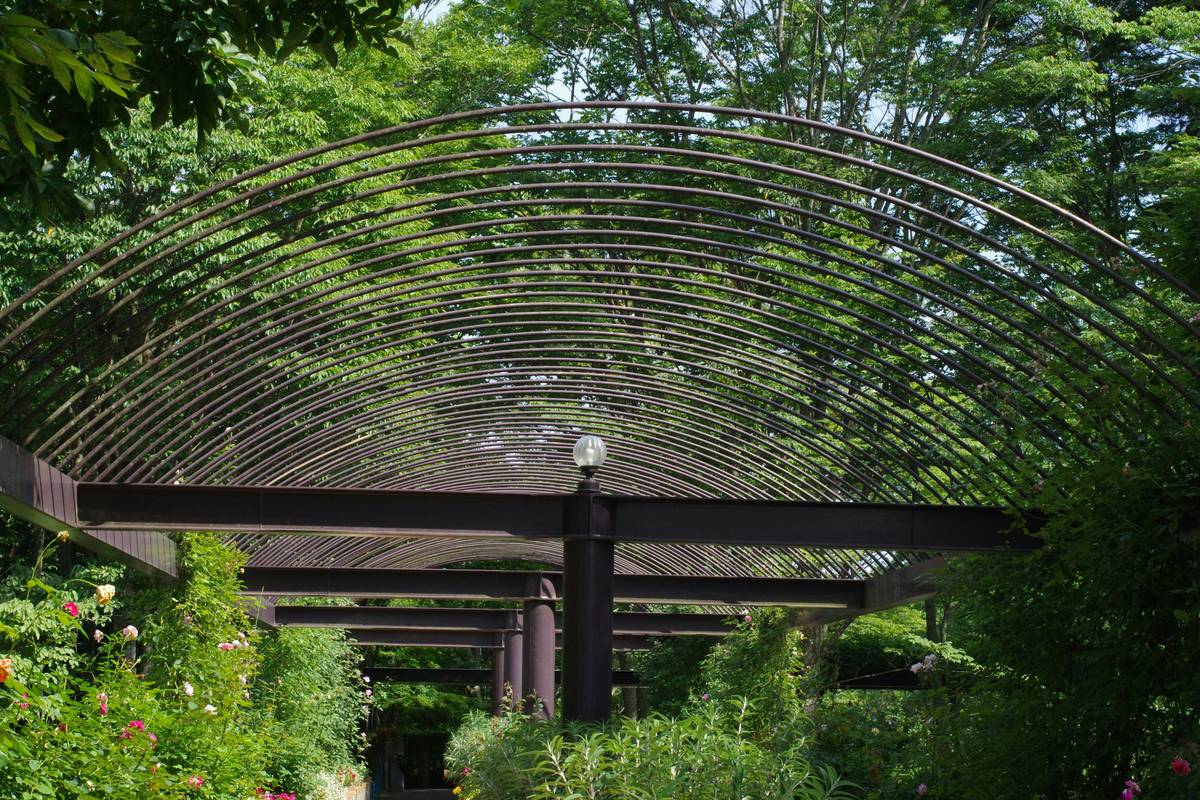
- Medium (2–4 ft): Freestanding gazebos or arched trellises.
- Large (>4 ft): Architectural pergolas with open rafters or cantilevered roofs.
Step 3: Position for Light, Not Just Shelter
Place your canopy so morning or late-afternoon sun skims your statue’s contours. Avoid north-facing shadows in the Northern Hemisphere—they flatten details.
Step 4: Anchor Separately (Non-Negotiable!)
Never bolt canopy posts into the same foundation as your statue. Ground movement stresses both structures. My rule: 18+ inches of separation, with independent footings set below frost line.
Step 5: Soften Edges with Climbers—Carefully
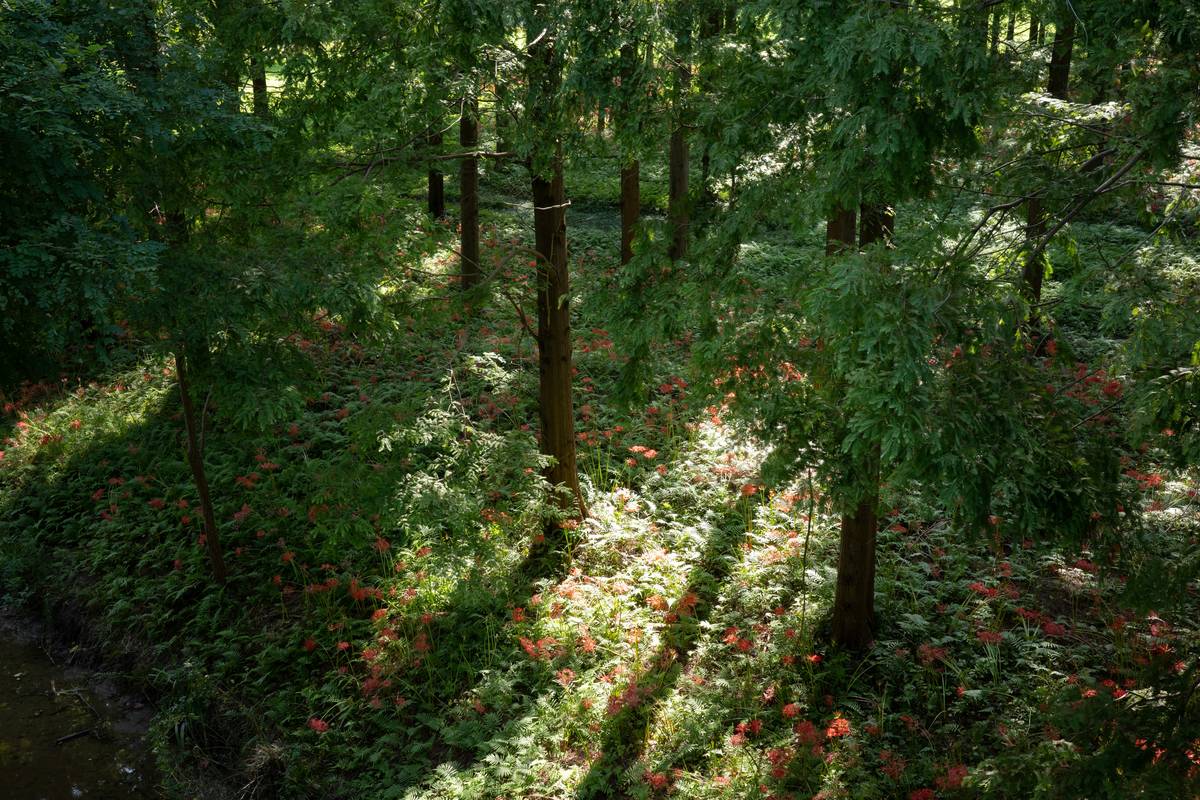
Wisteria looks dreamy on pergolas but its weight can warp supports. Stick to lightweight vines like clematis or jasmine. And never let foliage touch the statue—trapped moisture = mold city.
7 Best Practices for Canopy-Statue Harmony
- Prioritize Airflow Over Enclosure: Open designs reduce condensation buildup on surfaces.
- Match Metal Finishes: Powder-coated canopy frames in matte black complement bronze; natural cedar pairs with stone.
- Mind the Sightlines: View your setup from key vantage points (patio door, bench). The canopy should frame, not obstruct.
- Use Neutral Fabrics: Off-white Sunbrella® or beige sailcloth reflects light softly onto statues without glare.
- Install Gutters on Solid Roofs: Redirect runoff away from statue bases to prevent soil erosion and pooling.
- Seasonal Adjustability: Retractable canopies let you expose statues during dry months for “sun therapy.”
- Lighting Integration: Low-voltage LED uplights under canopy edges create museum-quality drama at night.
Real Gardens That Nailed It (With Before/After Stats)
Case Study #1 – Austin, TX: A client had a 5-ft Carrara marble Venus statue bleaching under Texas sun. We installed a louvered aluminum canopy (adjustable slats) 8 ft above. Result: UV exposure reduced by 68%, and marble luster restored within 6 months using gentle cleaning. Foot traffic to their garden Instagram page jumped 210%.
Case Study #2 – Seattle, WA: Rain was corroding a hand-forged iron dragon sculpture. Solution: A taut, sloped polycarbonate roof mounted on stainless steel posts, angled to shed water away. Maintenance time dropped from weekly wiping to quarterly checks.
FAQs About Outdoor Garden Canopy Ideas
Can I put a canopy over a fountain statue?
Yes—but ensure the canopy doesn’t block mist dispersion, which increases humidity and accelerates mineral deposits. Leave at least 3 ft of clearance.
What’s the cheapest canopy option for garden statues?
DIY shade sails ($50–$150) offer high impact per dollar. Use marine-grade hardware and tension properly to prevent flapping damage.
Do garden canopies require permits?
Most freestanding canopies under 120 sq ft don’t—but check local codes. In historic districts, design approval may be needed.
How do I clean statue-safe canopy fabrics?
Rinse monthly with garden hose. For stains, use mild soap (like Woolite) and soft brush—never pressure wash near statues.
Conclusion
Your garden statues tell stories—of heritage, whimsy, or quiet reflection. A well-chosen canopy doesn’t hide them; it spotlights them while shielding from the elements. Whether you opt for a sleek sail, rustic pergola, or retractable awning, remember: the goal is harmony, not hierarchy. Protect, frame, and let your sculptures breathe.
And if you take nothing else away—please, for the love of all things verdigris—don’t wrap ivy around your bronze saint. I’ve scraped enough mold off halos to last ten lifetimes.
Like a Tamagotchi, your garden needs daily care… but way less beep anxiety.