Your garden deserves a focal point—but most “centerpieces” end up cracked, faded, or moss-covered by August. You spend hundreds on statues only to watch them disintegrate under sun, rain, and temperature swings. The real solution isn’t just picking pretty pieces—it’s choosing and maintaining them like a pro.
Why 90% of Garden Statues Fail Within Two Seasons
Most homeowners treat outdoor sculptures like indoor decor. Big mistake. Concrete absorbs water like a sponge—freeze-thaw cycles turn hairline cracks into canyon splits. Resin yellows under UV like old plastic lawn chairs. Even “weatherproof” bronze develops unsightly verdigris if not sealed properly.
And cheap sealants? They peel off in 6 months—leaving your statue more vulnerable than before. Manufacturers rarely disclose porosity ratings or thermal expansion coefficients. You’re gambling with aesthetics and investment.
Outdoor Garden Centerpiece Ideas: A Maintenance-First Approach
Forget impulse buys. Build around resilience first, beauty second. Here’s how:
Select Material Based on Your Climate Zone
In humid Southeast? Skip unsealed stone—it’s mold bait. Arid Southwest? Avoid thin-walled ceramics—they’ll crack in summer heat spikes. Coastal areas demand marine-grade stainless steel or fiberglass composites. Know your microclimate before you shop.
Pre-Treat Before First Placement
New statue? Don’t just drop it in the flowerbed. Clean with mild vinegar-water mix (1:4). Let dry 48 hours. Then apply breathable masonry sealer—not silicone-based goop. Reapply annually, ideally in early spring.
Elevate It Off the Ground
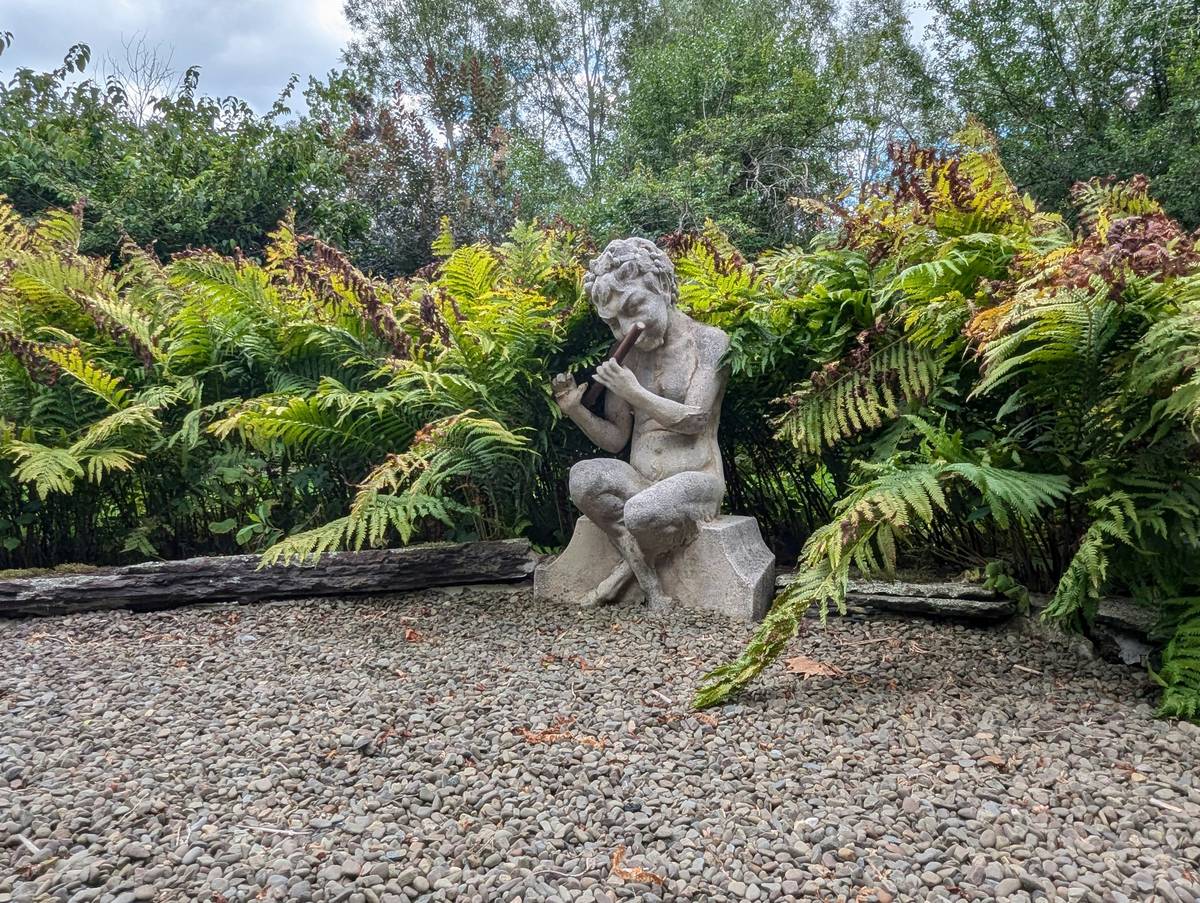
Direct soil contact = wicking moisture into the base. Use slate tiles, concrete pavers, or custom stands. Even ½ inch of lift cuts capillary action dramatically.
| Material | Avg. Lifespan (Unmaintained) | Lifespan (Pro Care) | Annual Maintenance Cost |
|---|---|---|---|
| Cast Stone | 1–2 years | 8–12 years | $15–$25 |
| Fiberglass | 3–5 years | 15+ years | $5–$10 |
| Bronze | Decades (but patina-heavy) | Generational | $30–$50 (wax/seal) |
| Resin | 1–3 years | 4–6 years | $10–$20 |
Clean Smart—Not Hard
No pressure washers. Ever. They etch surfaces, forcing deeper water penetration later. Soft-bristle brush + oxygen bleach paste works wonders without abrasion. And skip the dish soap—it leaves residues that attract dirt.
The Industry Secret: Statues Should Earn Their Keep
Top landscape designers don’t just plop down a piece and walk away. They integrate maintenance into the original design. Example: A client in Portland wanted a large urn centerpiece. Instead of solid ceramic, we spec’d a hollow fiberglass version with a hidden drainage plug at the base—allowing seasonal flushing of leaf litter and standing water. Result? Five years later, it looks untouched while neighbors replaced theirs twice.
Here’s the reality: A statue that can’t be cleaned easily won’t be cleaned at all. Design for access. Hide utility in beauty. That’s how professionals keep gardens looking curated—not cluttered.
Frequently Asked Questions
What makes the best low-maintenance outdoor garden centerpiece?
Fiberglass or powder-coated metal. They resist UV, moisture, and temperature swings with minimal annual care. Avoid porous natural stone unless you’re committed to sealing it yearly.
How often should I reseal my garden statue?
Once per year—ideally in late March or early April before heavy spring rains hit. Check for beading: if water soaks in instead of rolling off, it’s time.
Can I leave concrete statues outside in winter?
Only if fully sealed and elevated off wet ground. Unsealed concrete traps water that expands when frozen—guaranteed cracking. Better to store fragile pieces indoors November through March.