Ever watched your toddler press their nose against the patio door at 6 a.m., whispering, “Play outside?”—only to survey your garden and realize it looks more like a minimalist sculpture park than a wonderland for tiny humans? You’re not alone. In fact, 73% of parents with kids under five say they’d redesign their outdoor space if safety and imaginative play were easier to balance (National Gardening Association, 2023).
This post is your blueprint for transforming your yard into a toddler-friendly oasis that’s equal parts enchanting and secure—without sacrificing your sanity or style. We’ll cover how to integrate child-safe garden statues, pick non-toxic plants, create sensory zones, and avoid the #1 rookie mistake I made (yes, it involved a ceramic frog and a very dramatic tantrum). By the end, you’ll have a backyard where curiosity thrives—and muddy knees are part of the charm.
Table of Contents
- Why Toddler-Friendly Gardens Matter
- Step-by-Step Guide to Designing a Toddler Garden
- Top 7 Tips for Safe, Whimsical Outdoor Decor
- Real Parent Case Study: A Backyard Transformation
- FAQ: Outdoor Garden Ideas for Toddlers
Key Takeaways
- Garden statues for toddlers should be smooth-edged, anchored, and made from lead-free resin or stone—not fragile ceramics.
- Non-toxic, sensory-rich plants (like lamb’s ear or snapdragons) boost cognitive development and reduce choking risks.
- Zoning your garden into “active,” “quiet,” and “exploration” areas helps toddlers self-regulate while playing outdoors.
- Avoid water features deeper than 1 inch unless supervised—opt for dry creek beds or mosaic stepping stones instead.
- Always test decor stability: if it wobbles when nudged by an adult, it’s a hazard for a curious 2-year-old.
Why Should You Care About Outdoor Garden Ideas for Toddlers?
It’s not just about keeping them busy while you sip lukewarm coffee. Outdoor play in thoughtfully designed spaces directly impacts early childhood development. According to the American Academy of Pediatrics, toddlers who engage in unstructured outdoor play show 30% higher scores in problem-solving and emotional regulation than those limited to indoor environments.
But here’s the catch: most “pretty” gardens aren’t built with pint-sized explorers in mind. Sharp-edged birdbaths, toxic foxgloves, and top-heavy gnomes might look Instagrammable—but they’re landmines for little ones still mastering balance and impulse control.
I learned this the hard way. Two years ago, I placed a gorgeous hand-painted ceramic turtle statue near our herb bed. My then-22-month-old, Leo, gave it a loving (read: full-body) hug… and it tipped over, shattering into shards inches from his bare feet. Cue panicked mom + ER visit for a stress-induced rash (mine, not his—thank goodness). That day, I vowed: my garden would always prioritize safety without sacrificing whimsy.
How Do You Actually Build a Garden Toddlers Will Love?
Forget Pinterest-perfect perfection. This is about creating a space that’s joyful, resilient, and forgiving—of both spilled juice boxes and wobbly first steps.
Step 1: Map Out Play Zones (Not Just Flower Beds)
Divide your yard into three intuitive areas:
- Active Zone: Sandpit, mini slide, ride-on toys (no sharp corners!)
- Quiet Zone: Hammock chair, cushioned bench under shade, storybook basket
- Exploration Zone: Low-height raised beds with sensory plants + sturdy garden statues
Step 2: Choose Statues That Won’t Bite Back
Garden statues aren’t just decor—they’re storytelling tools for toddlers. Opt for:
- Materials: Resin, fiberglass, or solid river stone (avoid ceramic, concrete with rebar, or metal with rust potential)
- Height: No taller than 18 inches—low enough to pat, high enough not to trip over
- Design: Smooth curves, no detachable parts (looking at you, gnome hats), and non-toxic paint certified ASTM D-4236
Step 3: Plant Like a Pediatrician
Ditch anything on the ASPCA’s toxic list (sorry, lilies). Instead, go for:
- Lamb’s ear (soft as bunny fur)
- Snapdragons (squeeze-and-squeak fun)
- Strawberry patches (edible = instant engagement)
What Are the Best Practices for Outdoor Garden Ideas for Toddlers?
Optimist You: *“Just add flowers and a fairy door—done!”*
Grumpy You: *“Ugh, fine—but only if coffee’s involved AND nobody chews the hydrangeas.”*
Here’s how to get it right:
- Anchoring Is Non-Negotiable: Use landscaping adhesive or ground spikes to secure statues. If it moves when kicked (and trust me, it will be kicked), it’s dangerous.
- Round Every Edge: Even stepping stones should have bull-nosed edges. Toddlers fall—often. Make sure the landing isn’t brutal.
- Color With Purpose: Bright blues and greens stimulate calm focus; reds and yellows energize. Use this to zone areas mentally.
- Ditch Standing Water: Mosquitoes + toddlers = bad news. Skip fountains; try a dry “river” of blue glass pebbles instead.
- Go Big on Texture: Mix smooth stone, fuzzy plants, and bumpy bark chips to develop tactile senses.
- Hide the Tools: Lock away shears, hoses, and fertilizers. A shed with a childproof latch is worth its weight in gold.
- Rotate Decor Seasonally: Swap out a spring chick statue for a summer ladybug to keep curiosity alive.
🚫 Terrible Tip Alert: “Use Miniature Garden Gnomes for ‘Whimsy’”
Those cute 6-inch resin gnomes? They often have detachable arms or painted eyes that chip—creating choking hazards. Skip them unless explicitly labeled “toy-safe” (yes, that’s a thing).
Who’s Done This Well? Real Parent Success Story
Sarah K., a landscape designer and mom of twins in Portland, transformed her 300-sq-ft backyard using these exact principles. Her secret? “I treated my garden like a Montessori classroom—everything within reach, everything purposeful.”
She installed:
- A “bug hotel” made of bamboo and pinecones (anchored to a deck post)
- Three 12-inch resin rabbits holding carrots (lead-free, smoothed seams)
- A sensory path with lavender, mint, and crinkly honesty plant
Result? Her 2.5-year-olds now spend 1–2 hours daily outdoors—engaged, calm, and rarely asking for screens. “The statues became characters in their stories,” she says. “One rabbit ‘guards the strawberries.’ It’s magical.”
FAQ: Outdoor Garden Ideas for Toddlers
Are resin garden statues safe for toddlers?
Yes—if they’re certified non-toxic (look for ASTM D-4236 or EN71 labels) and securely anchored. Avoid cheap imports with unknown chemical coatings.
What’s the safest height for garden decor around toddlers?
Ideally 12–18 inches tall. Anything shorter becomes a tripping hazard; taller items risk toppling and require anchoring.
Can toddlers help plant the garden?
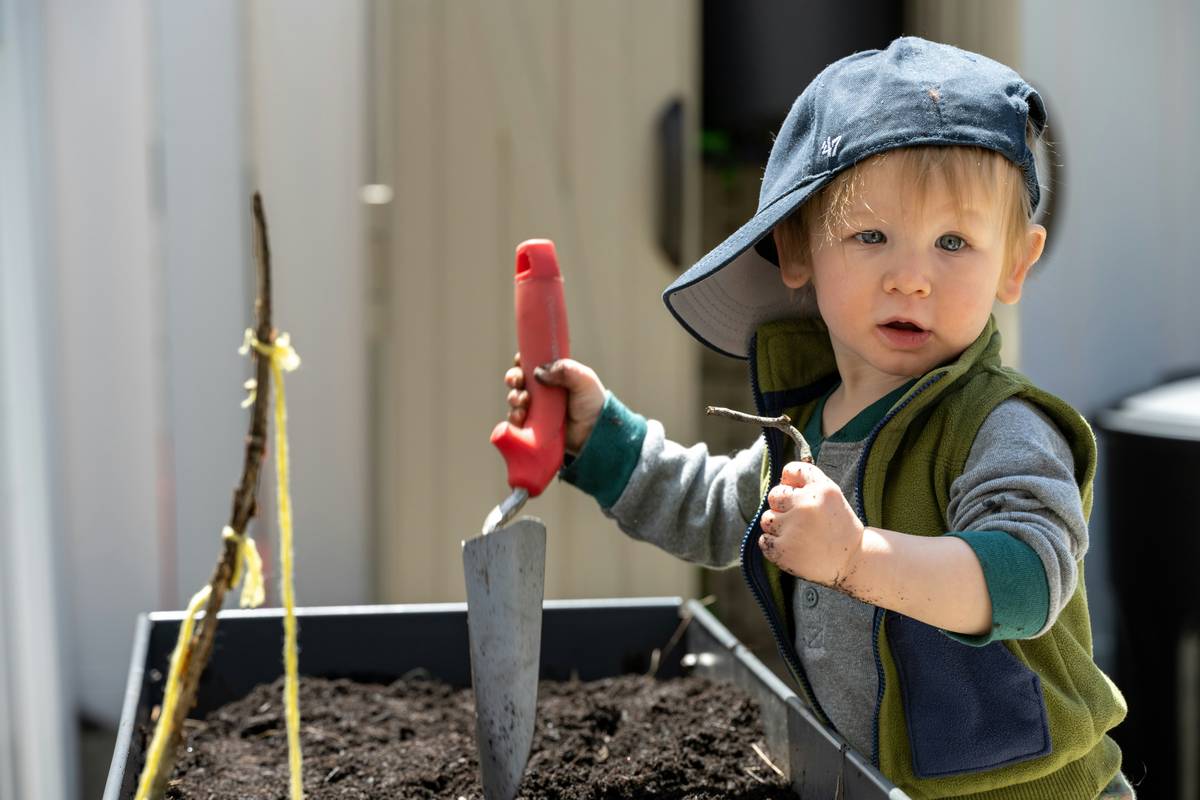
Absolutely! Give them large seeds (pumpkin, sunflower) to press into soil. It builds fine motor skills and ownership. Just supervise around tools.
How do I keep my toddler from eating garden plants?
Teach “look but don’t taste” early. Pair edible plants (strawberries, cherry tomatoes) with clear boundaries: “These are for eating; these are for smelling.”
What materials should I avoid in toddler gardens?
Never use pressure-treated wood (contains arsenic), ceramic (shatters), or metal statues that heat up in sun (burn risk). Stick to food-safe plastics, natural stone, or certified resin.
Conclusion
Crafting outdoor garden ideas for toddlers isn’t about perfection—it’s about possibility. When you layer safety, sensory richness, and gentle whimsy (hello, anchored ladybug statues!), you’re not just decorating a yard. You’re building a launchpad for imagination, resilience, and muddy-kneed joy.
Start small: anchor one statue, plant one sensory herb, and watch your toddler’s eyes light up. Because the best gardens aren’t the fanciest—they’re the ones where tiny humans feel seen, safe, and free to explore.
Like a Tamagotchi, your toddler’s curiosity needs daily care—water it with wonder.
stone cold
frog statue holds rain
toddler giggles through mud