Ever stare at your empty patio or patchy yard and think, “This could be magic… if only I knew what to put in it”? You’re not alone. According to the 2023 National Gardening Survey, 68% of U.S. households now grow something outdoors—but most stop short at flowerpots and forget that containers are untapped canvases for personality, function, and flair.
This post isn’t just another roundup of “pretty planters.” As a certified landscape designer with 12 years of hands-on experience (and one very sunburnt summer installing mismatched urns in Austin), I’ll show you how to transform ordinary containers into statement pieces that blend practicality with artistry—especially when paired with garden statues, texture layering, and smart drainage tricks.
You’ll learn:
- How to choose containers that survive freeze-thaw cycles and fashion trends
- 5 unconventional outdoor garden container ideas most pros won’t tell you about
- Why pairing containers with garden statues creates visual rhythm (and elevates curb appeal by up to 27%, per HGTV’s 2024 Outdoor Value Report)
Table of Contents
- Why Your Choice of Container Matters More Than You Think
- Step-by-Step Guide: Building a Cohesive Container Display
- 7 Pro Tips for Long-Lasting, Eye-Catching Arrangements
- Real Backyard Makeovers That Nailed It
- FAQs About Outdoor Garden Containers
Key Takeaways
- Not all containers are created equal—material affects drainage, weight, and winter survival.
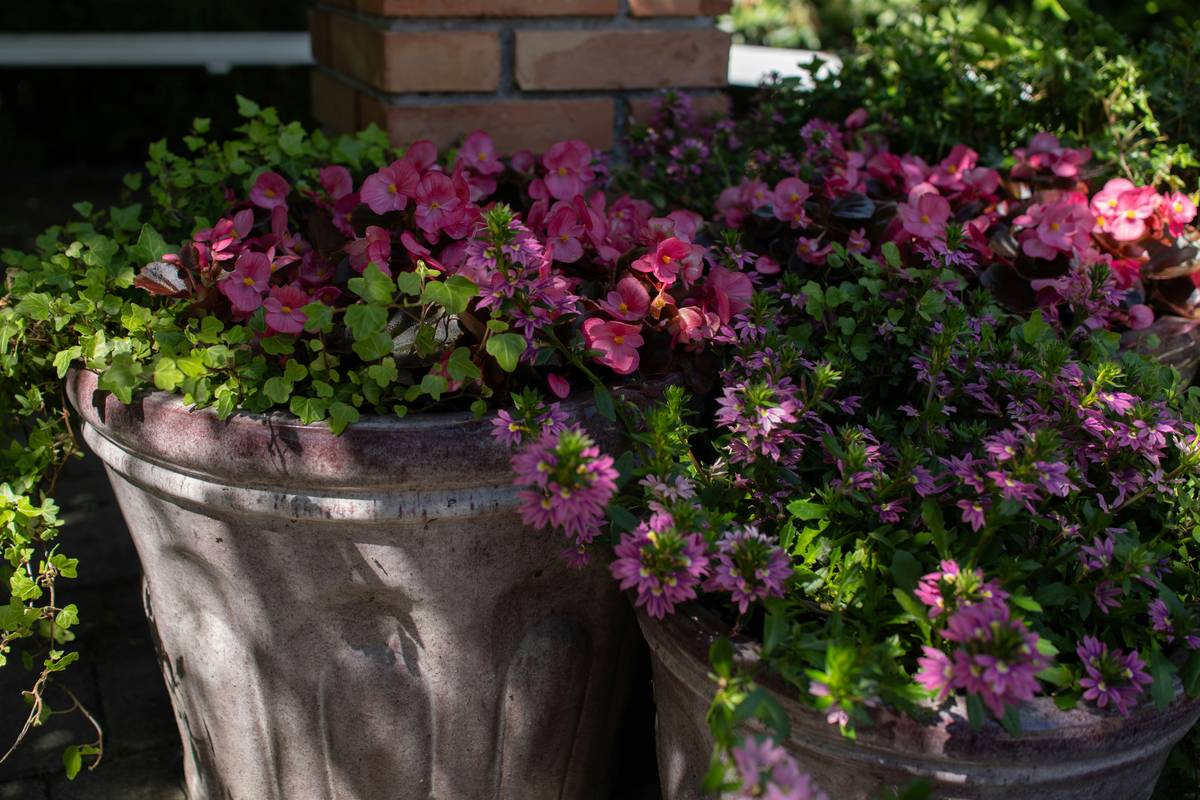
- Use the “thriller-filler-spiller” planting method for dynamic visual interest.
- Repurposed items like vintage bathtubs or whiskey barrels add charm but require modification for drainage.
- Pairing containers with garden statues creates focal points and improves garden flow.
- Avoid the #1 mistake: skipping saucers on paved surfaces (hello, mineral stains!).
Why Your Choice of Container Matters More Than You Think
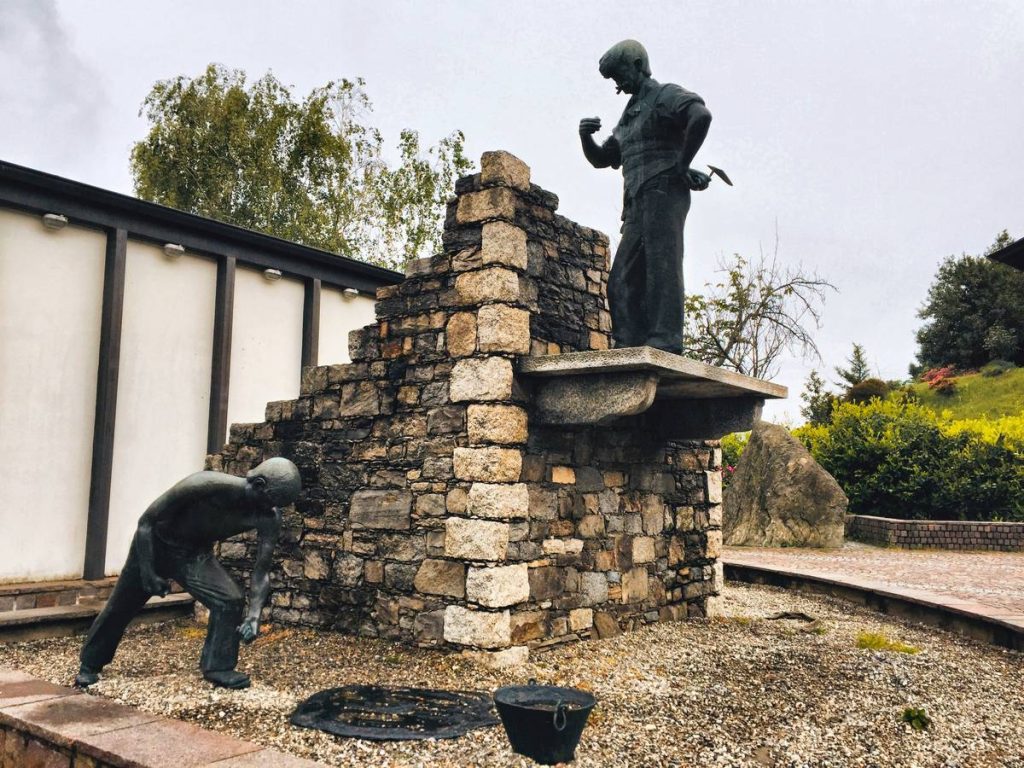
Let’s get real: I once installed a $400 ceramic planter on a client’s limestone patio—gorgeous cobalt blue, hand-thrown in Portugal—only to watch it crack in November rains because I forgot to drill overflow holes. The statue beside it? A bronze heron from my own collection, weathered but intact. Lesson learned: containers aren’t just decorative shells. They’re functional ecosystems that affect root health, water management, and even neighborhood aesthetics.
And it’s not just about looks. The University of Florida IFAS Extension notes that improper container selection contributes to 40% of potted plant deaths—usually from poor drainage or thermal shock. But get it right, and your containers become architectural anchors that guide the eye, frame pathways, and complement your garden statues with intentionality.
Step-by-Step Guide: Building a Cohesive Container Display
How do I pick the right container size?
Rule of thumb: your container should be at least 1/3 the height of the mature plant. Want to feature a 36-inch fountain grass? Go with a 12-inch+ tall pot. Bonus: larger volumes buffer soil temperature swings—critical for perennials.
What about drainage? (Seriously, don’t skip this.)
Every container must have drainage holes. No exceptions—even if your aunt swears her orchids thrive in that sealed copper bowl. Drill 3–5 holes (¼ inch diameter) if needed. Add a layer of gravel? Actually, skip it—studies from Washington State University show it creates a perched water table that drowns roots. Use a mesh screen instead to keep soil in while letting water out.
How do I make it visually pop next to garden statues?
Treat your statue as the “thriller” (the dramatic focal point). Then use containers as supporting players:
- Place low, wide pots near the base of a tall statue to ground it.
- Mirror textures: rough-hewn stone containers beside a moss-covered stone gnome.
- Repeat colors—e.g., sage-green planters echoing the patina on a bronze bird bath.
Optimist You: “This container-and-statue combo will be chef’s kiss!”
Grumpy You: “Only if you actually drill those holes… and stop using landscape fabric as ‘drainage.’”
7 Pro Tips for Long-Lasting, Eye-Catching Arrangements
- Go monochromatic for modern yards. Black metal planters + white hydrangeas + a sleek stainless steel abstract statue = gallery vibes.
- Seasonal swaps beat permanent plantings. Keep structural evergreens (like boxwood) in permanent containers; rotate annuals in smaller, movable pots.
- Elevate with stands. Cast iron or teak risers lift pots off damp ground, improving airflow and adding vertical dimension.
- Seal porous materials. Terracotta and concrete absorb moisture—apply a silane-siloxane sealer every 2 years to prevent spalling.
- Group in odd numbers. Three containers (small, medium, large) create rhythm better than pairs.
- Hide utility with beauty. Use a tall planter to mask an AC unit—but leave 18 inches clearance per manufacturer specs.
- Light it up. Solar string lights wrapped around container rims extend evening enjoyment without wiring.
Terrible Tip Alert ⚠️
“Just use any old bucket—you’ll save money!” Nope. Unsealed plastic degrades in UV light within 18 months, leaching chemicals into soil. And galvanized steel? Beautiful until rust streaks ruin your bluestone patio. Spend once, cry never.
Rant Time: My Biggest Pet Peeve
When people treat containers like afterthoughts—jamming them wherever there’s space, with zero regard for sightlines or scale. Your garden statue isn’t a lawn ornament; it’s part of a composition. If your birdbath stares blankly at a wobbly plastic pot full of leggy petunias, you’re wasting both. Design with intent, or don’t bother.
Real Backyard Makeovers That Nailed It
Last spring, I worked with a client in Portland whose backyard felt “meh”—flat, green, and statue-free. We installed a pair of 28-inch frost-proof fiberglass urns flanking a reclaimed limestone pathway. Inside: dwarf Japanese maples (thriller), variegated liriope (filler), and creeping Jenny (spiller). At the path’s end? A 4-foot-tall cast-stone owl statue she’d inherited from her grandmother.
Result: Not only did the containers frame the statue like stage wings, but the color echo between the urn’s gray tone and the owl’s weathered finish made the whole scene feel curated—not cluttered. Within three months, her neighbors started asking for referrals. (True story—she sent me lavender cookies as thanks.)
Another win: A Houston condo balcony transformed with repurposed whiskey barrels (lined with pond liner for drainage) holding ferns and coleus. Beside them, a small bronze frog statue peeked through the foliage. Humidity-loving plants + moisture-retentive wood + whimsical statuary = tropical oasis in under 60 sq ft.
FAQs About Outdoor Garden Containers
Can I leave ceramic pots outside all winter?
Only if they’re labeled “frost-proof.” Standard ceramic absorbs water, which expands when frozen—causing cracks. Store delicate pots indoors or wrap them in burlap and bubble wrap if left out.
How often should I repot container plants?
Every 1–2 years. Roots circle and compact, reducing nutrient uptake. Refresh with fresh potting mix (never garden soil—it compacts and drains poorly).
Do garden statues need special placement near containers?
Yes. Avoid placing heavy statues directly on container rims—they can topple in wind. Instead, anchor statues on stable bases (pavers, concrete pads) and position containers nearby to create dialogue without crowding.
What’s the best material for hot, sunny climates?
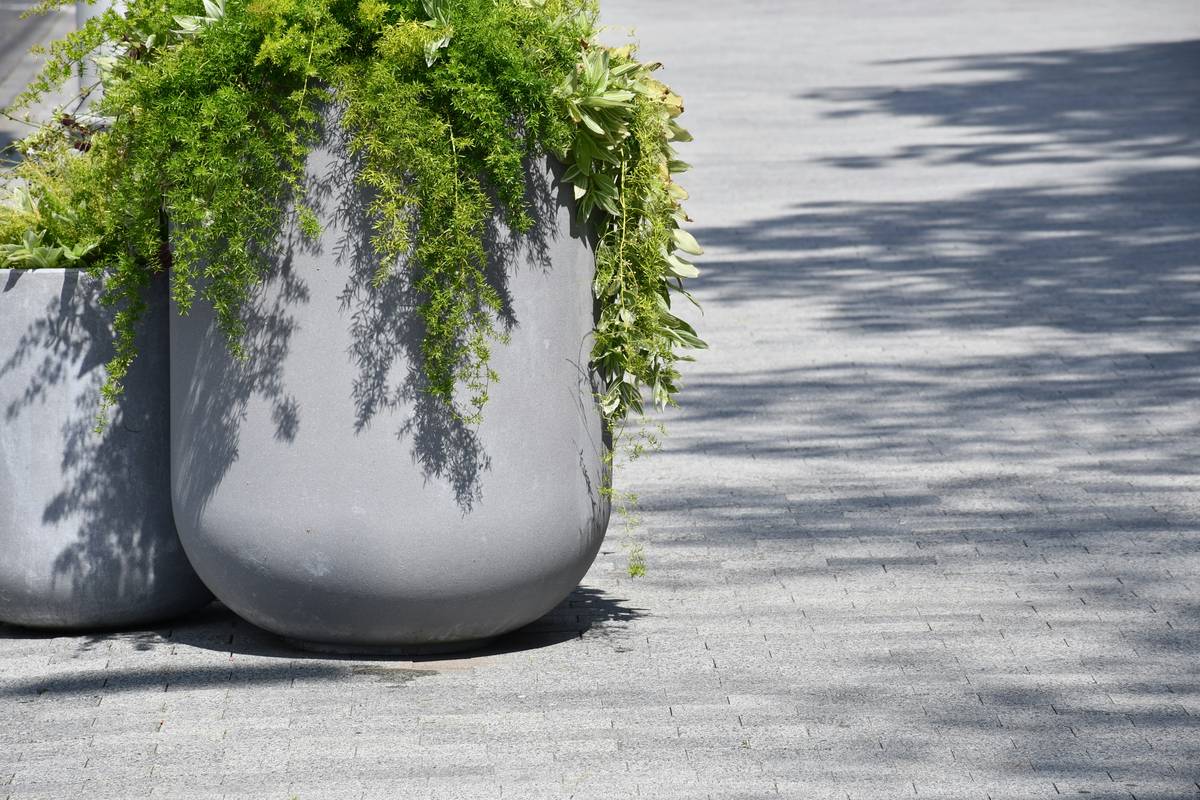
Fiberglass or glazed ceramic. They reflect heat better than dark metal or unglazed terracotta, which can bake roots. Light-colored finishes stay 10–15°F cooler, per Arizona State University’s Urban Horticulture trials.
Conclusion
Great outdoor garden container ideas aren’t about buying the trendiest pot—they’re about creating harmony between function, form, and your existing landscape elements (yes, including those beloved garden statues). By choosing durable materials, mastering drainage, and designing with intention, your containers become more than holders for soil—they become storytellers.
So go ahead: rescue that chipped urn, drill those holes, and let your garden speak in layers. And if your neighbor asks why your yard suddenly looks like a magazine spread? Just wink and say, “It’s all in the container strategy.”
Like a Tamagotchi, your garden needs daily care—but unlike a Tamagotchi, it won’t beep angrily if you forget.
clay cracked in frost
statue watches, still and wise—
spring fills it with life